
Cooking with Kids: Fun and Simple Recipes to Make Together
Advertisement
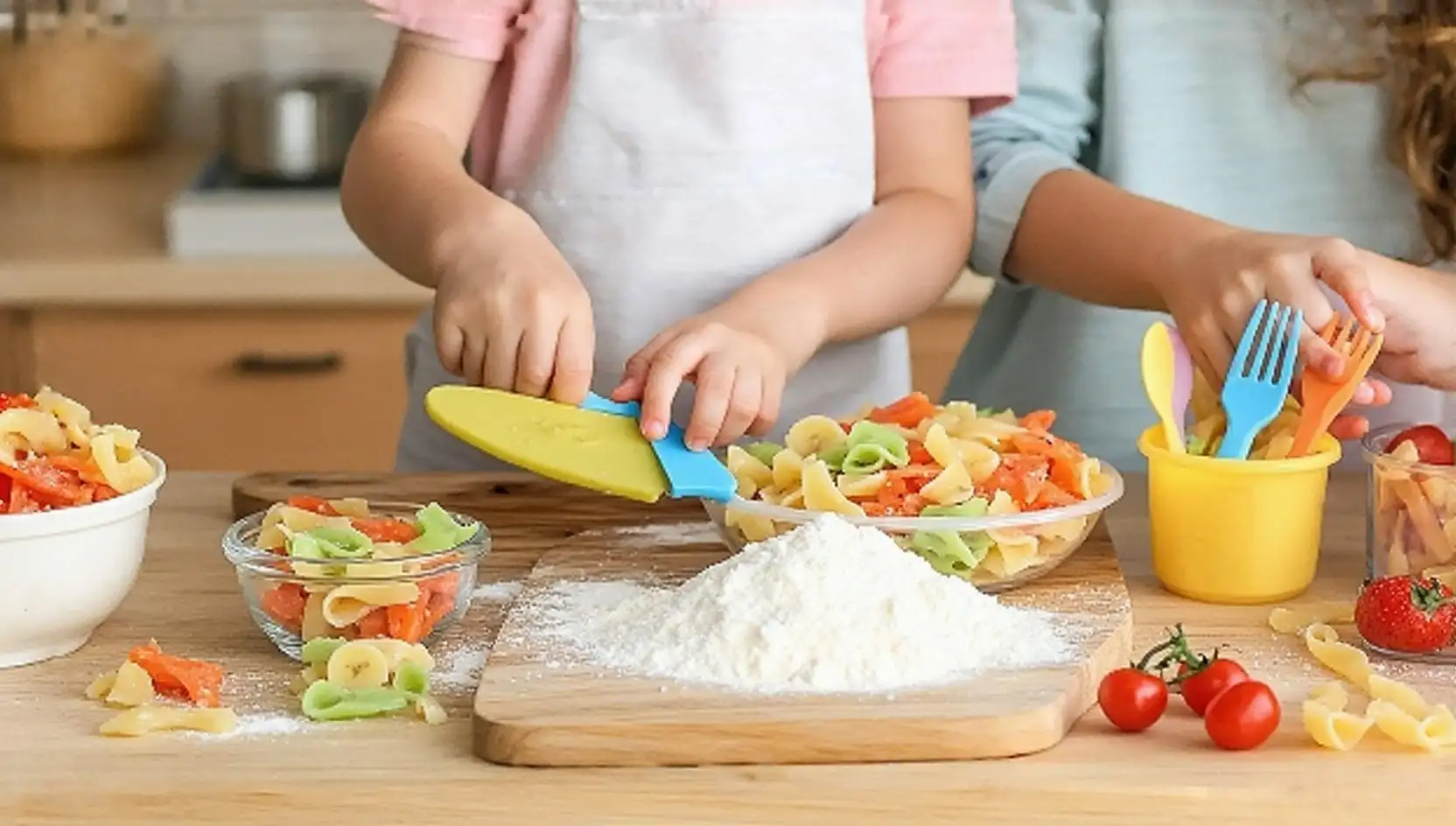
In today's fast-paced world, quality family time is increasingly precious. Family cooking emerges as the perfect bonding activity that combines practical life skills with meaningful interaction. Research from the American Academy of Pediatrics confirms children who regularly participate in kitchen activities demonstrate enhanced language skills, mathematical understanding, and social development (Source: AAP). Transforming meal preparation into engaging cooking with children experiences offers multifaceted benefits beyond just nutrition.
The Transformative Benefits of Cooking Together
Strengthening Family Bonds
The kitchen naturally becomes a collaborative space where washing vegetables, mixing ingredients, or setting the table evolves into quality conversation time. This shared experience builds emotional security while reinforcing family identity through tangible contributions.
Developing Essential Life Skills
Assigning age-appropriate kitchen responsibilities cultivates independence and accountability. As children complete tasks from measuring ingredients to plating meals, they gain confidence in their capabilities while understanding their role in family systems.
Cognitive and Motor Skill Enhancement
Following recipes involves reading comprehension, while measuring ingredients practices mathematics. The physical actions of stirring, pouring, and chopping develop fine motor coordination - turning mealtime fun into comprehensive developmental practice.
Creating Enjoyable Cooking Experiences
Strategic Scheduling
Establish designated "Family Cooking Days" to build anticipation while accommodating busy schedules. Weekends or less hectic weekday evenings work best for uninterrupted culinary exploration with children.
Child-Safe Kitchen Tools
Invest in safety-focused equipment like nylon knives, non-slip mixing bowls, and adjustable step stools. Electric appliances with automatic shutoff features and cool-touch exteriors minimize risks during cooking with children activities.
Empowering Decision Making
Boost engagement by letting children select meal themes or choose between healthy ingredient options. This ownership increases willingness to try new foods while developing decision-making skills through practical application.
Kid-Approved Recipe Collection
Breakfast: Mini Pizza Muffins
These no-bake kid-friendly recipes use English muffins as bases with tomato sauce, shredded cheese, and vegetable toppings. Children can customize their creations while practicing spreading and sprinkling techniques.
Lunch: Build-YourOwn Sandwich Art
Transform sandwich-making into edible creativity with whole grain bread, lean proteins, and colorful vegetable garnishes. Cookie cutters create fun shapes while teaching balanced meal composition.
Dinner: Rainbow Veggie Pasta
Vibrant bell peppers, carrots, and spinach tossed with whole wheat pasta demonstrate healthy eating can be visually exciting. Children practice vegetable preparation and simple stovetop techniques under supervision.
Snacks: Fruit Kabobs with Yogurt Dip
Seasonal fruits threaded onto skewers paired with Greek yogurt-honey dip teach food presentation skills. This easy meals option reinforces hand-eye coordination through precise assembly.
Age-Appropriate Kitchen Participation
Preschoolers (3-5 Years)
Focus on sensory experiences: washing produce, tearing greens, mixing batters, and decorating finished dishes. Simple tasks with immediate visual results maintain interest and build foundational skills.
Elementary (6-9 Years)
Introduce measuring, safe cutting with supervision, following multi-step instructions, and basic stovetop techniques. Recipe reading reinforces literacy while portioning develops math comprehension.
Tweens/Teens (10+ Years)
Capable of complete recipe execution including oven use, knife skills, and meal planning. Advanced projects like baking bread or complete dinner preparation foster responsibility and creativity.
Enhancing Family Dining Atmosphere
Themed Dinner Nights
"Taco uesdays" or "Italian Fridays" create anticipation while exposing children to global cuisines. Cultural exploration through food broadens perspectives and makes mealtime fun educational.
Cooking Storytelling
Encourage children to describe their kitchen experiences during meals. Prompt with questions like "What was challenging?" or "What would you change next time?" to develop reflection and communication skills.
Rotating Chef Responsibilities
Assign each family member a night to plan and lead meal preparation. This democratic approach teaches leadership while valuing everyone's culinary contributions equally.
Real Family Success Story
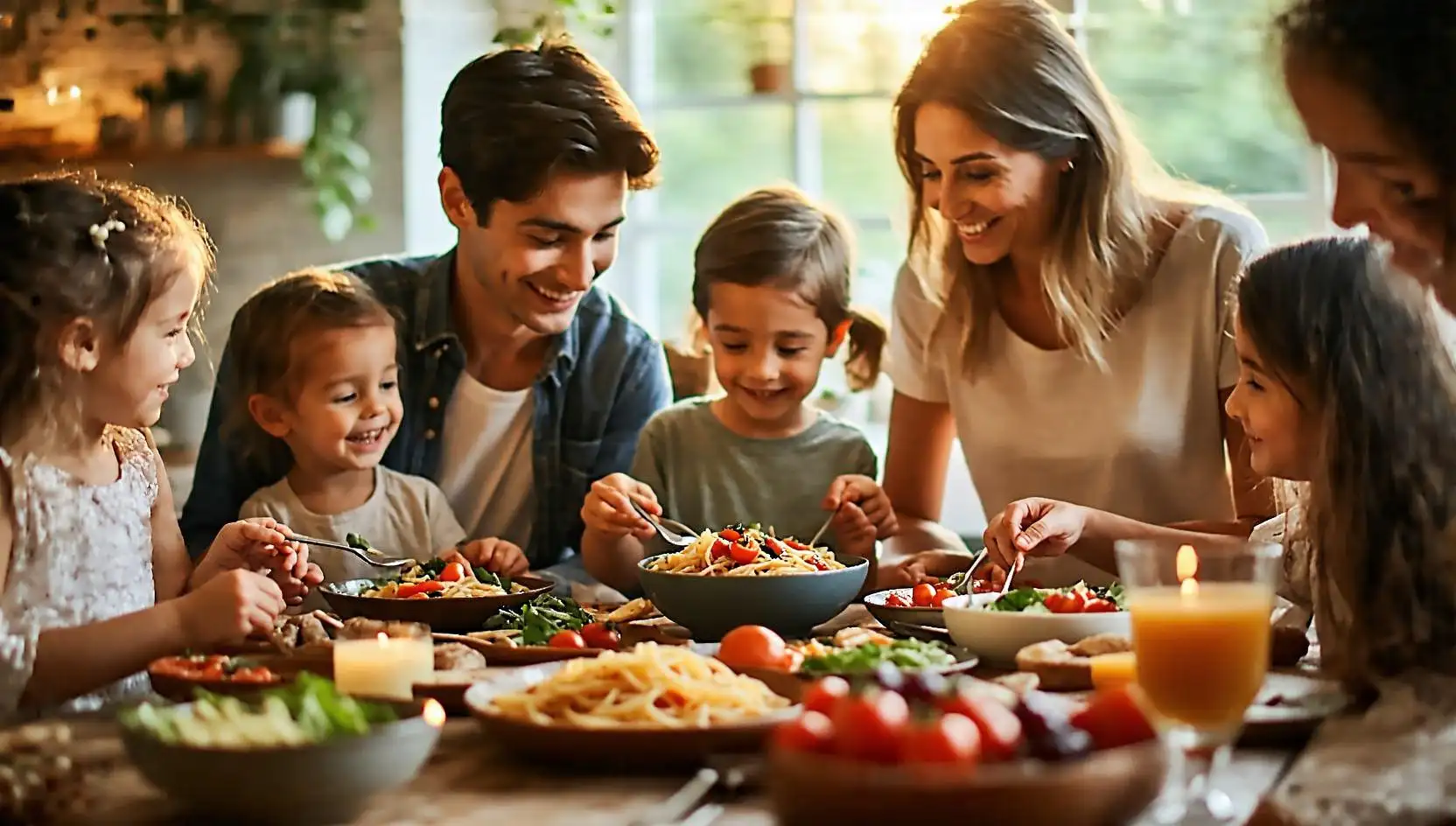
The Martinez family from Toronto shares their transformation: "Sunday meal prep became our sacred tradition. Our 7-year-old now eagerly tries vegetables he helped chop, while our 10-year-old plans complete menus. The kitchen conversations are priceless - we've learned more about their school lives during these sessions than in formal talks."
Evidence-Based Benefits
Pew Research Center data reveals 73% of families report improved relationships through regular cooking activities. USDA studies confirm children participating in meal preparation consume 26% more vegetables and show greater dietary variety (Source: NICHD).
<Cooking Frequency<6.2<7.8<8.5| Age Group | Nutritional Diversity Score |
| 3-5 Years | 1-2x Weekly |
| 6-9 Years | 3-4x Weekly |
| 10-12 Years | 4+ Weekly |
Frequently Asked Questions
How to handle distracted children?
Create visual task cards with checkboxes for completion. Timers for short, focused activity bursts (10-15 minutes) maintain engagement better than prolonged sessions.
Essential safety precautions?
Establish clear rules: always ask before touching appliances, use oven mitts, keep handles turned inward, and immediately clean spills. Constant supervision remains crucial until teenage years.
Time-saving strategies?
Prep ingredients beforehand or use pre-cut vegetables for younger children. Slow cooker meals allow afternoon preparation for evening enjoyment. Remember - the process matters more than perfection.


