Malaysia’s culinary landscape is a vibrant tapestry woven from Malay, Chinese, Indian, and indigenous traditions. Beyond the iconic nasi lemak and char kway teow lies a world of smoky satay, fragrant broths, and desserts that dance on the palate. This guide uncovers ten essential dishes that define Malaysia’s food identity, blending street-smart authenticity with generations of culinary wisdom.
Crowned the country’s unofficial national dish, this coconut-infused rice platter fuels mornings nationwide. A 2023 Tourism Malaysia survey found 73% of locals eat it weekly, with 45% preferring the roadside “mamak” stall version. Chef Wan of Kuala Lumpur’s Nadodi restaurant shares his secret: “Toast freshly grated coconut for the rice, never canned milk—it changes everything.”
Recipe Glimpse:
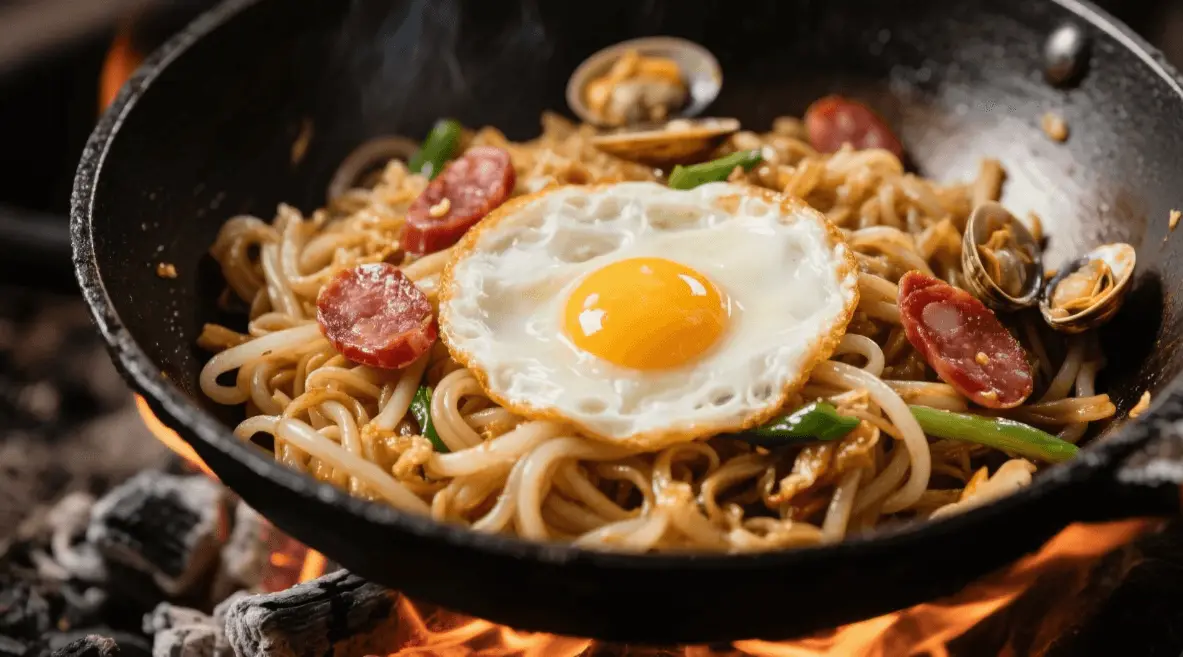
Penang’s smoky noodle sensation relies on “wok hei” (breath of the wok). The Malaysian Street Vendors Association reports 68% of hawker stalls in George Town specialize in this dish. Third-generation hawker Lim Ah Cheng advises: “Use duck eggs for creaminess and stir-fry in lard for authentic char.”
Key Components:
Malaysia’s laksa rivalry splits the nation. Universiti Putra Malaysia’s 2022 Flavor Preference Study found:
Nyonya cuisine expert Cheryl Tan notes: “The best asam laksa uses ikan kembung (mackerel) simmered with torch ginger.”
Malaysia’s satay culture dates to 19th-century Javanese migrants. The Malaysian Satay Guild reports:
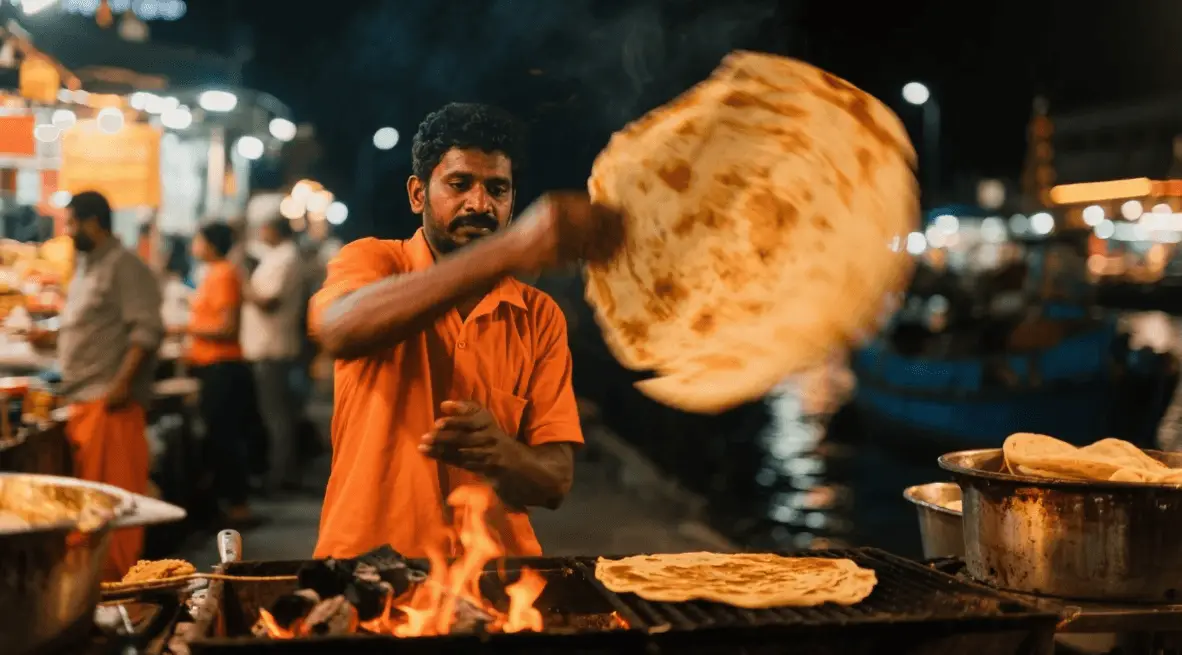
This airborne dough spectacle draws crowds at 4 AM. The Malaysian Indian Restaurant Owners Association estimates 50 million rotis sold annually. Master spinner Muthu Kumar demonstrates: “The key is ghee layers and a 10-minute dough rest between stretches.”
Adapted from Chinese immigrants, this deceptively simple dish dominates tourist menus. Tourism Malaysia’s 2023 poll found 89% of visitors try it. The secret? “Poach chickens in pork bone stock and rinse with ice for taut skin,” says Johor Bahru’s Chicken Rice Shop owner Lee Mei Ling.
UNESCO-listed as Malaysian heritage, this dry curry requires 8-12 hours of stirring. Negeri Sembilan’s Rendang Masters Consortium reveals: “Traditional recipes use 32 spices, including rare kaffir lime ash.”
This neon-green dessert cools tropical heat. The Health Ministry’s 2023 Sugar Reduction Initiative prompted 28% of vendors to offer palm sugar alternatives. Malacca’s Jonker Street veteran Ahmad Ali says: “Use fresh pandan juice, never artificial coloring.”
Born in Penang’s colonial-era ports, this rice-and-curry combo lets diners create personalized flavor symphonies. The Malaysian Muslim Restaurant Association tracks 142 standard curry options, with 18% of customers mixing 5+ gravies.
This peanut-stuffed turnover earned UNESCO Intangible Heritage status in 2023. Street Food Safety Authority data shows 90% of vendors now use aluminum-free baking powder.
Nutritional Nuggets from Malaysian Diets:
Sustainability Initiatives:
Disclaimer: Dish availability varies regionally. Check spice levels and seafood allergies. Nutritional data reflects typical servings. Tourism stats sourced from Tourism Malaysia and Ministry of Domestic Trade.
From the banana-leaf-wrapped nasi lemak to the wok-tossed char kway teow, Malaysian cuisine is a living dialogue between tradition and innovation. Each dish tells a story of cultural convergence, proving that true culinary greatness lies not in purity, but in delicious adaptation. As Malaysia’s hawkers keep their charcoal fires burning, they invite the world to taste a nation’s soul—one flavorful bite at a time.
Olivia
|
2025.04.29