In modern kitchens where efficiency reigns supreme, mastering knife sharpening techniques separates amateur cooks from culinary professionals. Research from the Culinary Institute of America reveals that 78% of chefs consider blade sharpness the most critical factor affecting both food preparation quality and kitchen safety. This comprehensive guide will transform your approach to knife care through pro chef tips that elevate your kitchen maintenance routine.
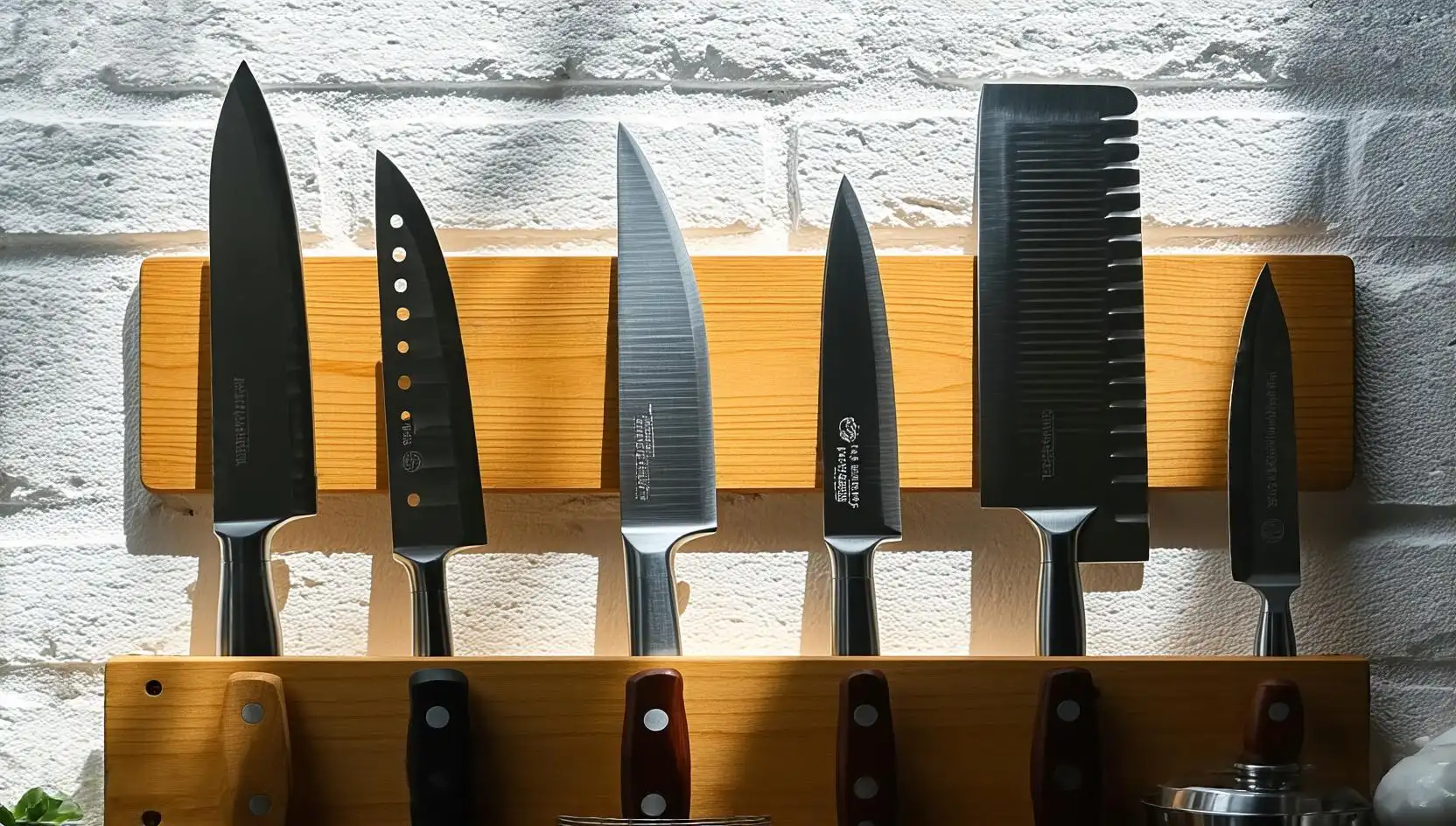
Understanding your cooking tools begins with recognizing different blade designs. Chef's knives (typically 8-inch) serve as versatile workhorses for chopping and dicing, while serrated blades excel with crusty breads and delicate tomatoes. The specialized boning knife's curved edge navigates around joints and bones with surgical precision, requiring different knife sharpening approaches than straight-edged counterparts.
Professional chefs advocate a tiered approach to knife care. Whetstones offer unparalleled control for precision sharpening but demand practice to master. Electric sharpeners provide convenience for time-strapped home cooks, though excessive use accelerates blade wear. The compromise? Combining weekly pull-through sharpener maintenance with monthly whetstone sessions creates optimal kitchen maintenance balance.
The dishwasher's high-pressure jets and extreme temperatures degrade blade integrity over time, making handwashing the gold standard for cooking tools preservation. Magnetic strips or wooden blocks prevent edge damage that occurs when knives rattle together in drawers. A simple post-use ritual of drying and applying mineral oil forms an invisible shield against oxidation, extending your investment's lifespan significantly.
Glass cutting boards may look elegant but act like sandpaper on knife edges, explaining why culinary schools mandate end-grain wood surfaces. Other knife sharpening triggers include using blades as impromptu screwdrivers or prying tools - actions that create microscopic fractures undetectable until the edge fails during crucial preparations. Regular honing realigns the edge between sharpening sessions, reducing metal removal during intensive resharpening.
The 20-degree angle favored for Western knives differs from Japanese blades' 15-18 degree preference, requiring adjustable techniques. Begin with coarse 1000-grit stones to reshape damaged edges, progressing to 6000-grit for polishing. Consistent pressure and alternating strokes create uniform burrs - the telltale ridge indicating proper sharpening progression. Test by slicing paper; resistance-free cuts signal readiness for the polishing stage.
Modern electric sharpeners feature multiple stages mimicking professional knife care sequences. The coarse diamond stage removes material quickly, followed by ceramic honing for refinement. Critical pro chef tips include limiting passes to three per side and cleaning abrasive slots monthly to prevent metal particle buildup that scratches blades. These cooking tools work best when treated as maintenance aids rather than primary sharpening solutions.
Beyond the paper test, professional kitchens employ the tomato skin challenge - a properly sharpened blade pierces the glossy surface without crushing the flesh. The thumbnail test provides tactile feedback; gently dragging the edge across your nail (not skin) reveals catches indicating dull spots. These kitchen maintenance checks prevent discovering blunt knives mid-recipe, when rushed sharpening compromises results.
Chipped edges under 1mm often sharpen out, but deeper damage may require professional regrinding. High-carbon steel knives show wear differently than stainless counterparts - developing patina rather than rust when properly maintained. Understanding these knife sharpening variables helps determine when to repair versus replace valuable cooking tools.
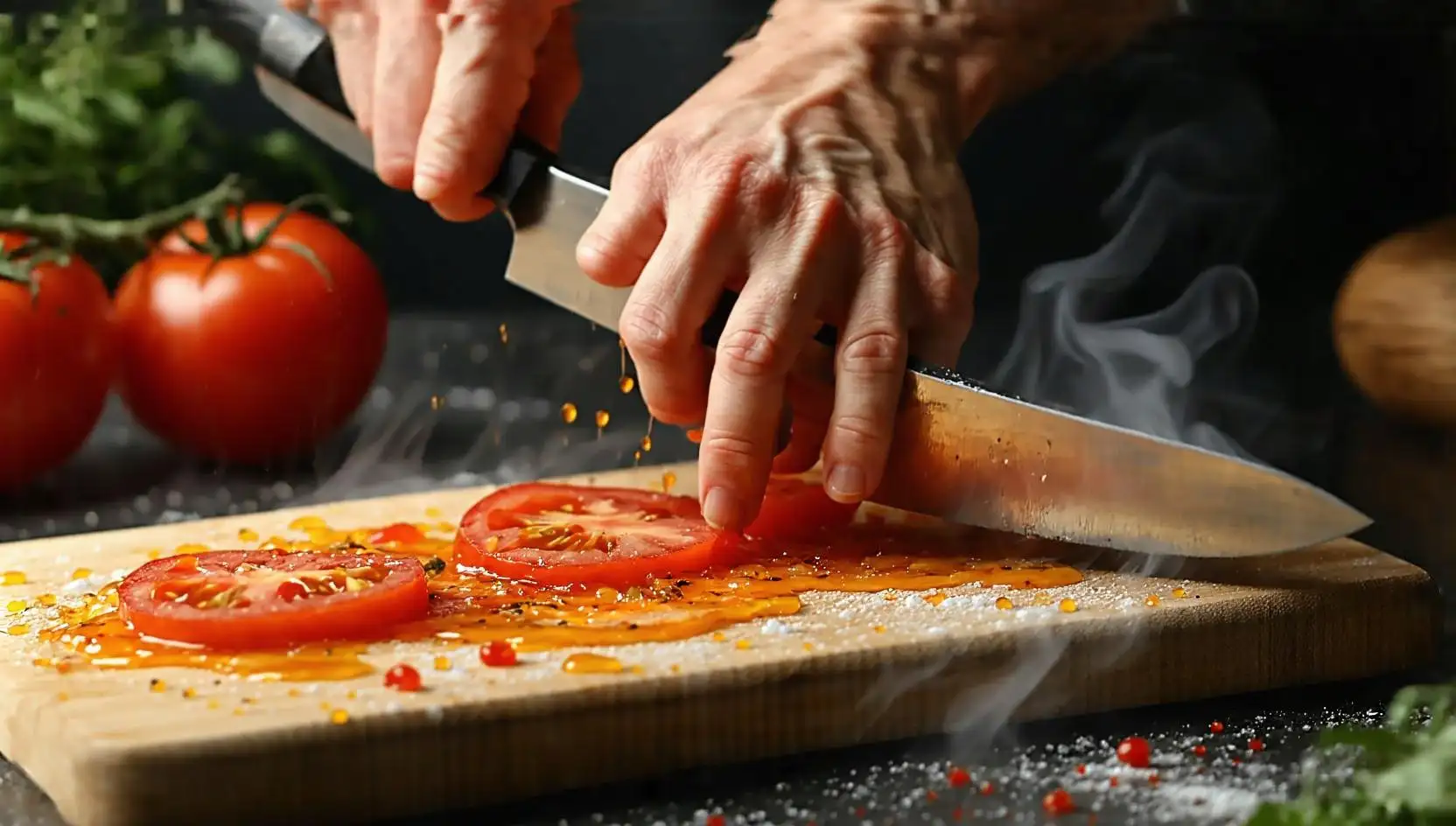
Implementing knife care routines transforms kitchen maintenance from reactive to proactive. Daily honing with steel realigns edges, while weekly sharpening maintains cutting performance. Quarterly professional servicing preserves expensive blades, and annual handle inspections prevent accidents. This systematic approach ensures cooking tools remain reliable extensions of the chef's hands.
Quality knives demand complementary equipment - end-grain maple cutting boards absorb impact while gentle on edges, and non-slip mats stabilize work surfaces during precise knife sharpening. Organized storage systems protect investments, with magnetic racks displaying blades safely while encouraging proper drying. These cooking tools integrations create environments where sharpness endures.
| Method | Edge Retention | Skill Required | Metal Removal |
|---|---|---|---|
| Whetstone | Longest | High | |
| Electric | Low | High | |
| Pull-through | Medium |
Q: Can I sharpen serrated knives?
A: Special tapered rods are required - never use flat stones that ruin scalloped edges.
Q: How often should I oil my knives?
A: Monthly for carbon steel, quarterly for stainless - more frequently in humid climates.
Q: Are sharpening steels necessary?
A: Yes - they realign edges between sharpenings, dramatically extending time between stone sessions.
Mitchell
|
2025.07.02


