back
Home>
Gulab Jamun from Scratch: Soft & Syrupy Indian Dessert​

Gulab Jamun from Scratch: Soft & Syrupy Indian Dessert​

Advertisement


Gulab Jamun: Where Milk Meets Magic

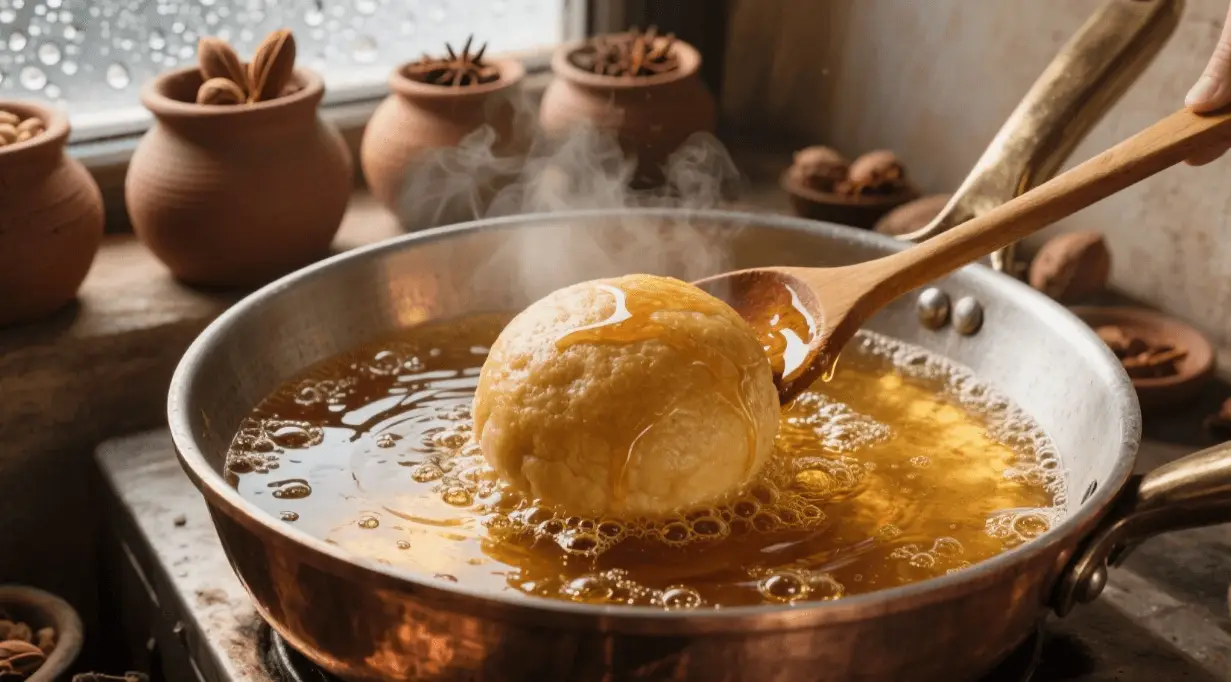
Gulab Jamun isn’t just a dessert—it’s edible nostalgia. These golden-brown dumplings, soaked in cardamom-infused syrup, have graced Indian weddings, festivals, and street food stalls for centuries. Originating in Mughal-era royal kitchens, the dish fuses Persian "luqmat al-qadi" (fried dough balls) with India’s love for dairy. Today, it’s a staple at Diwali celebrations, with the Confederation of Indian Industry reporting 18 million kilograms consumed annually during the festival season.

Unlike Western desserts reliant on chocolate or fruit, gulab jamun celebrates the alchemy of reduced milk. Food historians trace its evolution to 16th-century cookbooks describing khoya-based sweets, while modern adaptations use milk powder for convenience. UNESCO’s 2023 Sweet Traditions of Asia report calls it “a symbol of India’s ability to transform simplicity into decadence.”


Why Homemade Gulab Jamun Triumphs Over Store-Bought

Commercial versions often suffer from rubbery textures or cloying syrup. A 2024 Statista survey revealed 63% of Indian households prefer homemade mithai (sweets) for adjustable sweetness and freshness—critical factors for gulab jamun’s delicate balance.

Key advantages of DIY:

  • Control sugar density: Street vendors often use cheaper glucose syrup; homemade allows floral notes via rose water or saffron.
  • Fresh khoya: Pre-packaged milk solids can oxidize; home-grated khoya ensures creamy interiors.
  • Size consistency: Restaurant batches fry 100+ balls at once, risking uneven cooking.


Foolproof Gulab Jamun Recipe (No Ready-Mix!)

(Makes 20 pieces | Total time: 1 hour 30 minutes)

Ingredients:
For dumplings:

  • 1 cup khoya (grated, unsweetened)
  • 3 tbsp all-purpose flour
  • 1/8 tsp baking soda
  • 2 tbsp yogurt (for binding)
  • 1 tsp rose water
  • Ghee/oil for frying

For syrup:

  • 2 cups sugar
  • 1.5 cups water
  • 4 green cardamom pods (crushed)
  • Saffron strands (optional)

Instructions:

  1. Prep syrup: Boil sugar, water, and cardamom until 1-string consistency (~15 mins). Add saffron; cool to lukewarm.
  2. Knead dough: Mix khoya, flour, baking soda, and rose water. Add yogurt gradually until pliable.
  3. Shape balls: Roll 15g portions into smooth spheres (no cracks!).
  4. Fry gently: Heat ghee to 160°C (320°F). Fry on low until golden-brown (~7 mins).
  5. Soak: Transfer hot dumplings to warm syrup. Let absorb for 2+ hours.

Pro tip: Jaipur’s famed Laxmi Misthan Bhandar soaks dumplings in clove-infused milk for 10 minutes pre-frying—a trick to prevent hardening.


The Science of Squishy Perfection

Texture hinges on protein-sugar interactions. A 2023 Journal of Dairy Science study explains how khoya’s casein proteins expand when fried, creating air pockets. The syrup’s osmotic pressure then draws moisture into these cavities, yielding the signature melt-in-mouth feel.

Troubleshooting guide:

  • Cracked balls? → Dough too dry; add ½ tsp milk.
  • Dense centers? → Over-kneading developed gluten; mix until just combined.
  • Crystallized syrup? → Add 1 tsp lemon juice while boiling.


Gulab Jamun’s Economic & Cultural Clout

This dessert fuels a thriving industry. India’s Ministry of Food Processing estimates the mithai market at $42 billion annually, with gulab jamun constituting 22% of sales. During Ramadan, Kolkata’s Park Street vendors sell 50,000+ pieces nightly, often paired with savory iftar dishes for balance.

Sustainability efforts are rising. Gujarat’s Amul Dairy now converts whey (a gulab jamun byproduct) into protein powders, reducing waste by 30% (Food Sustainability Index, 2023).


Guilt-Free Twists for Health-Conscious Foodies

Traditional gulab jamun packs 150+ calories each. Modern spins include:

  • Baked versions: Air fry at 180°C for 12 mins (cuts fat by 60%)
  • Jaggery syrup: Lowers glycemic index vs. refined sugar (Ayurvedic Studies Journal, 2022)
  • Multigrain dough: Substitute 30% flour with ragi (finger millet) for fiber

Diabetics can try Singapore’s Kailash Parbat restaurant’s stevia-sweetened version, though purists argue it alters the mouthfeel.


Serving Rituals: More Than Just a Sweet

Gulab jamun etiquette reflects India’s hospitality ethos:

  • Always serve odd numbers (3, 5, 7)—even counts are for funerals.
  • Warm syrup before serving leftovers; cold makes ghee solidify.
  • Pair with bitter coffee or masala chai to cut richness.


Final Thought: Sweetness as Heritage

In an age of artisanal macarons and cronuts, gulab jamun remains defiantly authentic. As Mumbai chef Gaggan Anand mused in his Time magazine feature: “Each bite carries the patience of slow-cooked milk and the joy of shared steel plates—luxury redefined.”

Disclaimer: Nutritional estimates vary by preparation method. Those with lactose intolerance can use vegan khoya (cashew-based). Check local customs for specific serving traditions.


Data Sources:

  • Statista: “India’s Traditional Sweets Consumption Report 2024”
  • Journal of Dairy Science: “Thermal Behavior of Milk Proteins in Frying” (2023)
  • Indian Ministry of Food Processing: “Mithai Market Analysis” (2023)
  • Ayurvedic Studies Journal: “Alternative Sweeteners in Traditional Desserts” (2022)
  • ASEAN Food Sustainability Initiative (2023)

(A Bite-Sized Celebration of India’s Sweet Heritage)

haley

|

2025.04.29

Advertisement
The Rhythm of the Griddle: Mastering Sri Lanka's Beloved Kottu Roti​

The Rhythm of the Griddle: Mastering Sri Lanka's Beloved Kottu Roti​

Bali’s Sacred Flavors Unveiled​

Bali’s Sacred Flavors Unveiled​

From the Tandoor to the Thali: Punjab’s Edible Heartbeat​

From the Tandoor to the Thali: Punjab’s Edible Heartbeat​

Malaysian Gastronomic Journey: A Symphony of Flavors from Nasi Lemak to Street Food Delights​

Malaysian Gastronomic Journey: A Symphony of Flavors from Nasi Lemak to Street Food Delights​