In today's fast-paced American lifestyle, the demand for quick yet health-conscious food options like light meals USA and healthy meal delivery services has skyrocketed. Busy professionals across the US, Canada, and UK are embracing fast casual dining and nutritious lunch ideas as part of broader healthy eating trends reshaping urban food consumption.
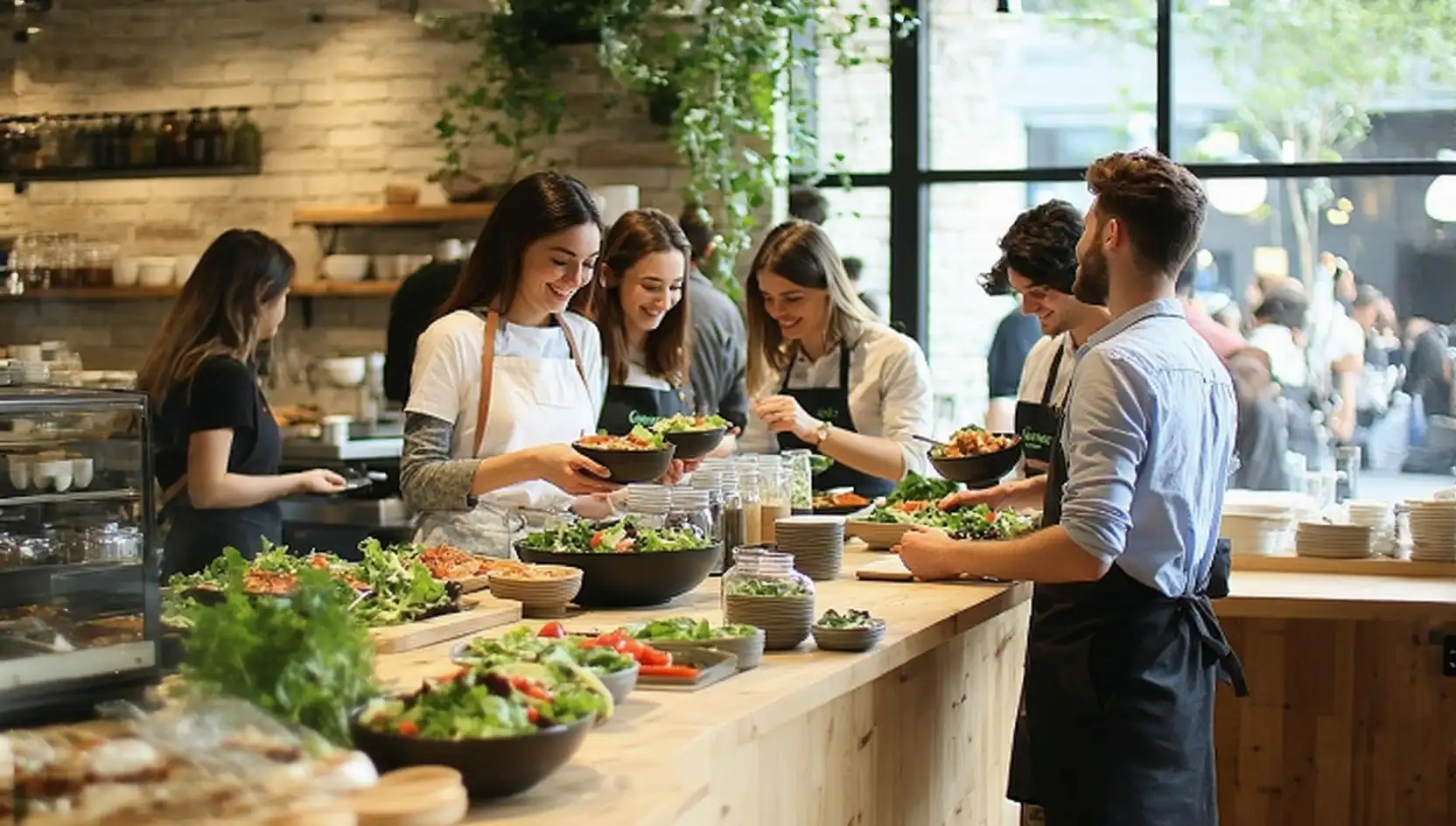
The American diet has transformed dramatically as Millennials and Gen Z prioritize wellness, with 68% identifying as health-conscious eaters according to Pew Research. Updated USDA guidelines emphasizing nutrient-dense foods have spurred demand for light meals USA that balance convenience with nutrition.
Healthy eating trends now dominate corporate cafeterias and school lunch programs alike, with remote work accelerating interest in healthy meal delivery options. The pandemic particularly highlighted the need for nutritious lunch ideas that support productivity without sacrificing time.
Light meals USA typically feature balanced portions of complex carbs, lean proteins and fresh vegetables - think quinoa bowls with grilled chicken and roasted veggies. Unlike traditional fast food, these healthy meal delivery options emphasize nutrient density over empty calories.
What sets light meals apart is their focus on satiety through fiber-rich ingredients and mindful preparation methods. Fast casual dining establishments have popularized this approach by offering build-your-own bowls that cater to specific dietary needs while maintaining flavor.
The healthy meal delivery market reached $9.2 billion in 2023, growing at 12.4% annually according to Statista. Services like Daily Harvest and Factor75 capitalize on demand for nutritious lunch ideas through subscription models offering chef-prepared, dietitian-approved meals.
These platforms excel at combining convenience with customization, allowing users to select meals based on fitness goals or dietary restrictions. The success of healthy meal delivery services demonstrates consumers' willingness to pay premium prices for quality nutrition that fits their lifestyles.
Chains like Sweetgreen and Dig Inn have redefined fast casual dining by prioritizing locally-sourced ingredients and transparent nutrition information. Their approach bridges the gap between restaurant-quality meals and the convenience busy professionals demand.
By offering contactless pickup and online ordering, these establishments have made nutritious lunch ideas more accessible than ever. Their emphasis on sustainability and community engagement resonates particularly well with younger consumers driving healthy eating trends.
Modern consumers expect healthy meal delivery services to accommodate specific dietary needs while maintaining speed and quality. AI-powered recommendation engines and detailed nutritional labeling have become essential tools for brands competing in this space.
The most successful light meals USA providers invest heavily in supply chain transparency and quick delivery logistics. As consumers become more educated about nutrition, they demand meals that align with both their health goals and personal values regarding sustainability.
Despite rapid growth, healthy meal delivery services face obstacles including affordability concerns and scalability limitations. Balancing cost with quality remains particularly challenging while meeting consumer expectations for fast casual dining experiences at home.
Environmental impact and evolving food regulations present additional hurdles. The industry must innovate in packaging and distribution to maintain growth while addressing concerns about waste and carbon footprints associated with light meals USA delivery models.
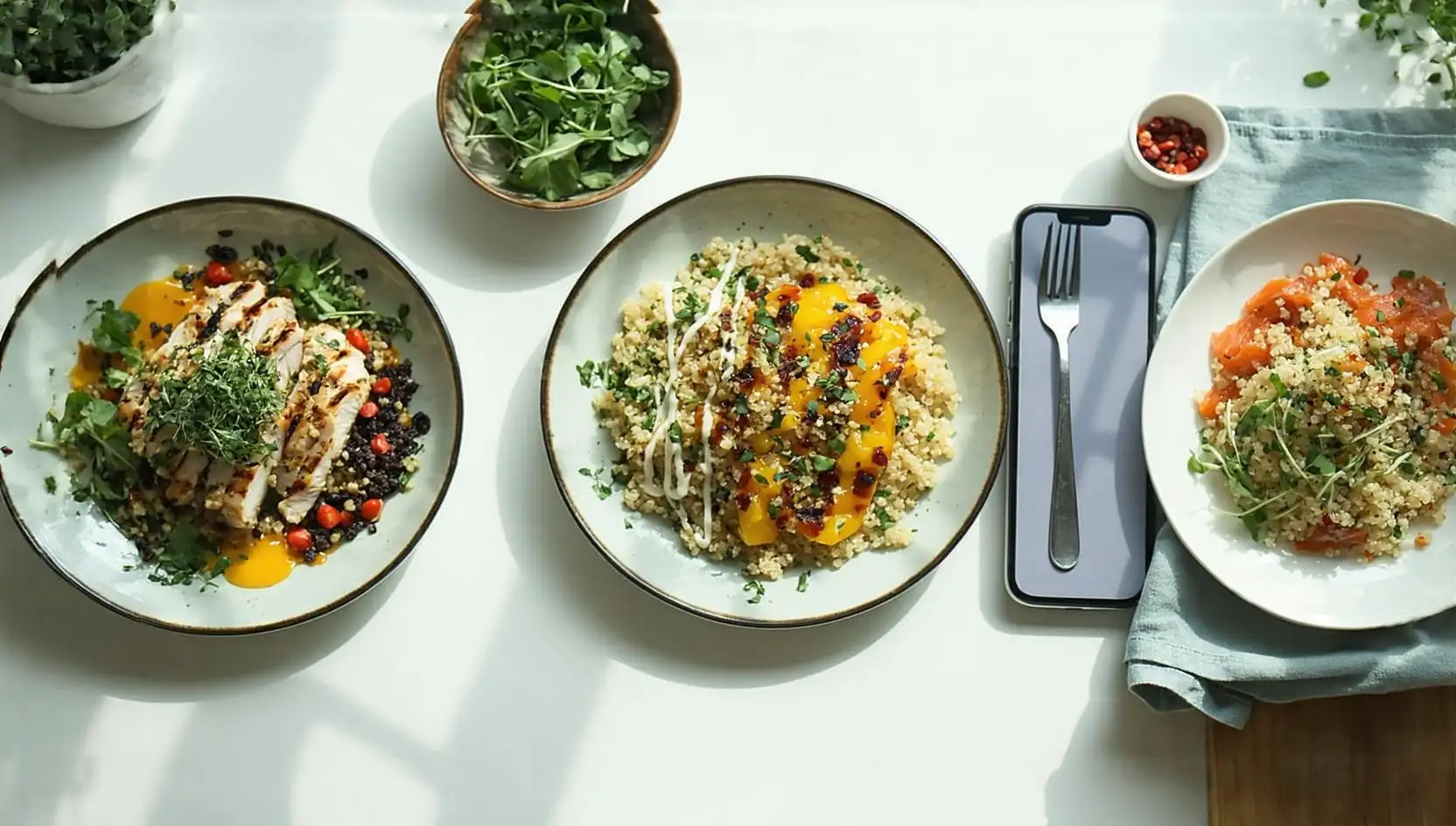
McKinsey predicts personalized nutrition will dominate by 2030, with healthy meal delivery services leveraging biometric data. As plant-based and functional foods grow, we'll see deeper integration between meal services, fitness apps and workplace wellness programs.
Blockchain traceability and smart kitchen automation will likely revolutionize how light meals USA are prepared and delivered. The continued rise of fast casual dining concepts and nutritious lunch ideas reflects a permanent cultural shift toward convenient, conscious eating.
What is considered a "light meal"?
Light meals USA typically contain 300-500 calories with balanced macronutrients from whole food sources like lean proteins, complex carbs and healthy fats.
Are healthy meal delivery services cost-effective?
While pricier than fast food, these services often prove economical compared to restaurant dining, especially when factoring in time savings and reduced food waste.
Can I customize meals based on dietary restrictions?
Most leading healthy meal delivery platforms offer extensive customization for gluten-free, keto, vegan and other dietary needs as part of fast casual dining-inspired flexibility.
How do services ensure freshness and sustainability?
Top providers use insulated packaging, cold-chain logistics and local sourcing to deliver light meals while minimizing environmental impact through compostable materials and carbon offset programs.
Hernandez
|
2025.07.07


