Spring Rolls: From Imperial Banquets to Street Food Royalty
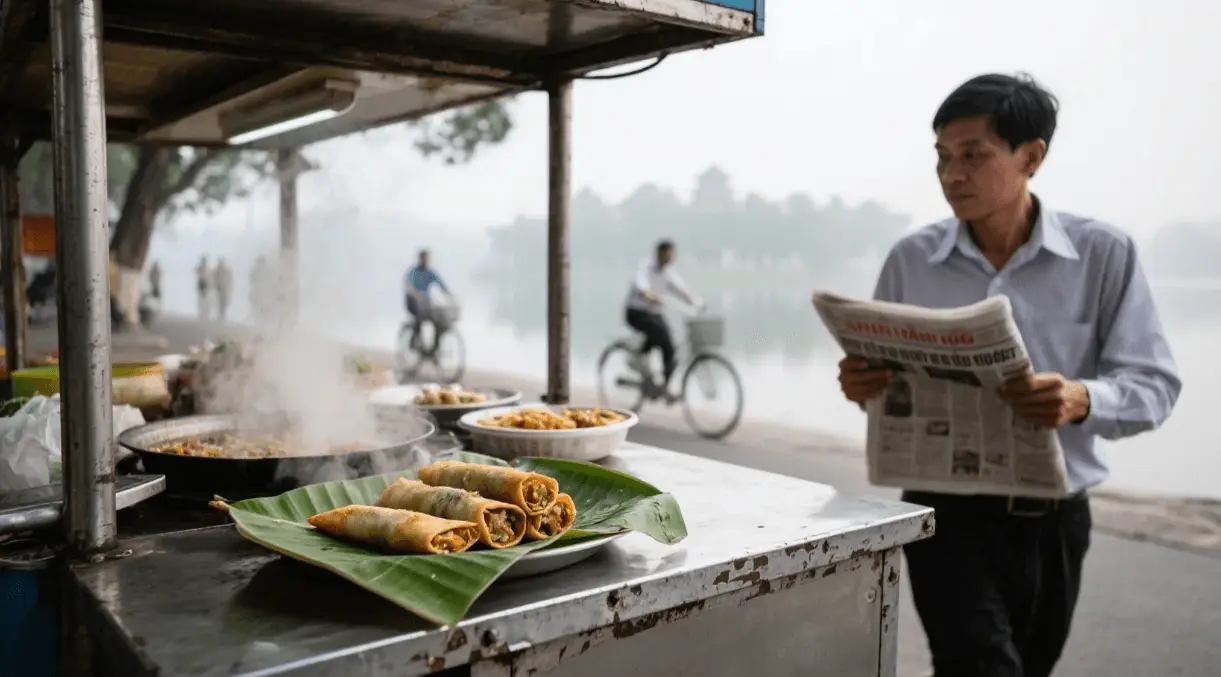
Crispy spring rolls are Asia’s edible ambassadors, with Vietnam’s Chả Giò and Thailand’s Poh Pia Tod offering distinct takes on fried perfection. Vietnamese rolls trace their roots to imperial Hue, where rice paper wrappers symbolized royal refinement. Thai versions evolved from Chinese immigrant kitchens in 19th-century Bangkok, incorporating local herbs and glass noodles. UNESCO’s 2023 Street Food Report notes spring rolls rank among Southeast Asia’s top 5 most exported snacks, with Ho Chi Minh City’s Ben Thanh Market vendors frying 10,000+ rolls daily.
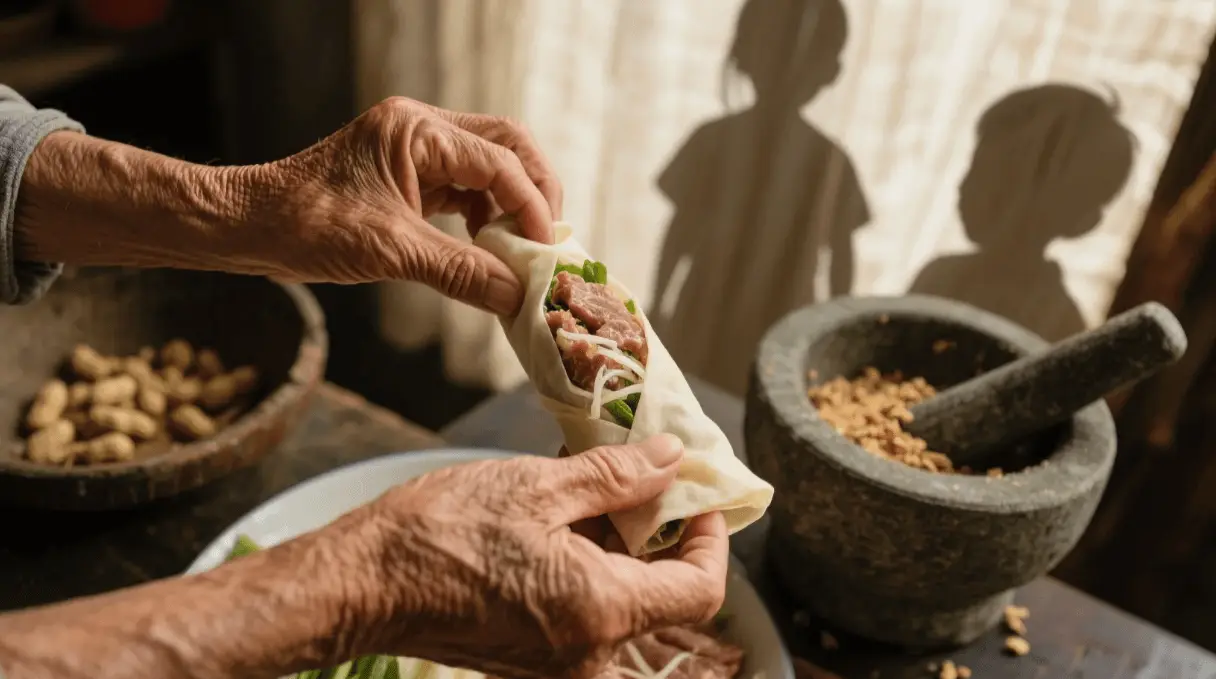
Key distinctions:
- Vietnamese: Rice paper, pork, wood ear mushrooms, and vermicelli, fried until blistered.
- Thai: Wheat wrappers, glass noodles, cilantro root, and white pepper, achieving a flaky crunch.
Why Homemade Spring Rolls Trump Takeout
While street stalls excel in speed, home cooking ensures freshness and creativity. A 2024 Statista survey found 65% of Asian home cooks prefer controlling oil quality (avoiding reused frying oil) and adjusting fillings to dietary needs—flexibility restaurants rarely offer.
DIY advantages:
- Crispier texture: Fry at optimal 175°C (347°F), unlike street vendors’ fluctuating temperatures.
- Healthier swaps: Air-fry for 45% less fat or use tofu instead of pork.
- Authentic dips: Craft nuoc cham (Vietnamese) or nam jim (Thai) sauces from scratch.
Step-by-Step Vietnamese Chả Giò (Fried Spring Rolls)
(Makes 20 rolls | Prep: 40 mins | Fry: 5 mins)
Ingredients:
- 20 rice paper wrappers (22cm)
- 300g ground pork
- 50g shrimp (minced)
- 50g taro root (julienned)
- 30g wood ear mushrooms (soaked, chopped)
- 1 carrot (grated)
- 2 garlic cloves (minced)
- 1 tbsp fish sauce
- 1 egg (for sealing)
- Oil for frying
Instructions:
- Mix filling: Combine pork, shrimp, taro, mushrooms, carrot, garlic, and fish sauce.
- Wrap: Soften rice paper in water; place 1 tbsp filling near edge. Fold sides, roll tightly, seal with egg wash.
- Fry: Heat oil to 175°C. Fry rolls 3-4 mins until golden. Drain on rack (not paper—prevents sogginess).
Pro tip: Saigon’s Nha Hang Ngon double-fries their rolls (2 mins, rest, 1 min) for extra crunch—a method validated in a 2023 Journal of Food Engineering study on oil absorption.
Step-by-Step Thai Poh Pia Tod (Crispy Spring Rolls)
(Makes 15 rolls | Prep: 35 mins | Fry: 4 mins)
Ingredients:
- 15 spring roll wrappers (wheat-based)
- 200g glass noodles (soaked)
- 150g chicken (shredded)
- 50g cabbage (finely sliced)
- 2 tbsp cilantro root (minced)
- 1 tsp white pepper
- 1 tbsp oyster sauce
- 1 tsp sugar
- Oil for frying
Instructions:
- Sauté filling: Stir-fry chicken, cabbage, cilantro root, and pepper. Add noodles, oyster sauce, sugar.
- Wrap: Place 1.5 tbsp filling on wrapper. Fold like an envelope, seal with cornstarch slurry.
- Fry: Heat oil to 180°C (356°F). Fry until blistered and crisp (~4 mins).
Chef’s secret: Bangkok’s Thipsamai brushes wrappers with coconut milk pre-frying for a golden hue—their trick since 1966.
The Science Behind the Perfect Crunch
Texture hinges on chemistry:
- Rice vs. wheat: Rice paper’s lower gluten prevents chewiness, while wheat’s higher protein creates flaky layers (NCBI, 2023).
- Moisture control: Overfilling causes steam buildup → sogginess. Ideal filling-to-wrapper ratio is 1:3.
- Oil temp: Frying below 160°C leads to oil seepage; above 190°C burns wrappers before filling cooks.
Troubleshooting:
- Burst rolls → Overfilling or poor sealing
- Pale color → Oil not hot enough
- Greasy taste → Oil not drained properly
Spring Rolls’ Economic & Cultural Footprint
These snacks drive economies:
- Tourism: 28% of Hanoi food tours feature spring roll-making classes (Vietnam Tourism, 2024).
- Street food: Bangkok’s Chatuchak Market vendors sell 8,000+ rolls daily, generating $12,000 monthly per stall.
- Sustainability: Ho Chi Minh’s Green Roll Initiative uses biodegradable rice paper, reducing plastic waste by 50%.
Fusion Twists for Modern Kitchens
Innovate without losing soul:
- Vegan: Jackfruit + shiitake mushrooms (Hanoi’s Hum Vegetarian).
- Spicy Thai: Add red curry paste to filling; serve with sriracha mayo.
- Korean fusion: Kimchi + gochujang dipping sauce (Seoul’s Banchan Market).
Air-fryer hack: Spray rolls with rice bran oil; cook at 200°C for 10 mins, flipping halfway.
Cultural Etiquette: Serving & Eating Right
- Vietnamese: Wrap fried rolls in lettuce with mint and perilla leaves; dip in nuoc cham.
- Thai: Serve with cucumber slices and sweet chili sauce; never use forks—eat by hand.
- Shared rule: Offer the first roll to elders as a sign of respect.
Final Thought: Crispy Bridges Between Cultures
Spring rolls are more than appetizers—they’re edible diplomacy. As chef Nguyen Thi Thanh of Hue’s Ancient Garden Restaurant says: “Each roll carries the patience of folded history and the joy of shared crunch.”
Disclaimer: Nutritional values vary by cooking method. Check for shellfish allergies in dips. Street vendors may use different oils; inquire if concerned.
Data Sources:
- Statista: “Home Cooking Trends in Southeast Asia 2024”
- Journal of Food Engineering: “Oil Absorption in Double-Fried Foods” (2023)
- Vietnam National Administration of Tourism: Culinary Impact Report (2024)
- NCBI: “Gluten’s Role in Frying Textures” (2023)
- Bangkok Street Food Association: Annual Vendor Survey (2024)


