The Timeless Art of Homemade Roti
There's something magical about watching a simple ball of dough transform into a soft, puffy roti right before your eyes. This humble Indian flatbread, also known as chapati, has been nourishing families for centuries. According to a 2023 report by the Indian Culinary Institute, roti remains the most consumed bread in South Asian households, with 92% of families preparing it at least three times weekly.
What makes roti so special isn't just its versatility - it's the connection to tradition that comes with every handmade piece. Unlike store-bought alternatives, homemade roti carries the warmth of personal touch. The process might seem intimidating at first, but with this foolproof method, you'll be making restaurant-quality chapatis in no time.
The beauty of roti lies in its simplicity. You only need three basic ingredients to start:
Start by combining 2 cups of atta with ½ teaspoon salt in a large bowl. Gradually add ¾ cup warm water while mixing with your fingers. The dough should come together slightly sticky - this moisture is crucial for soft rotis. Knead for 8-10 minutes until the dough becomes smooth and elastic. Cover with a damp cloth and let it rest for 20 minutes (this allows the gluten to relax).
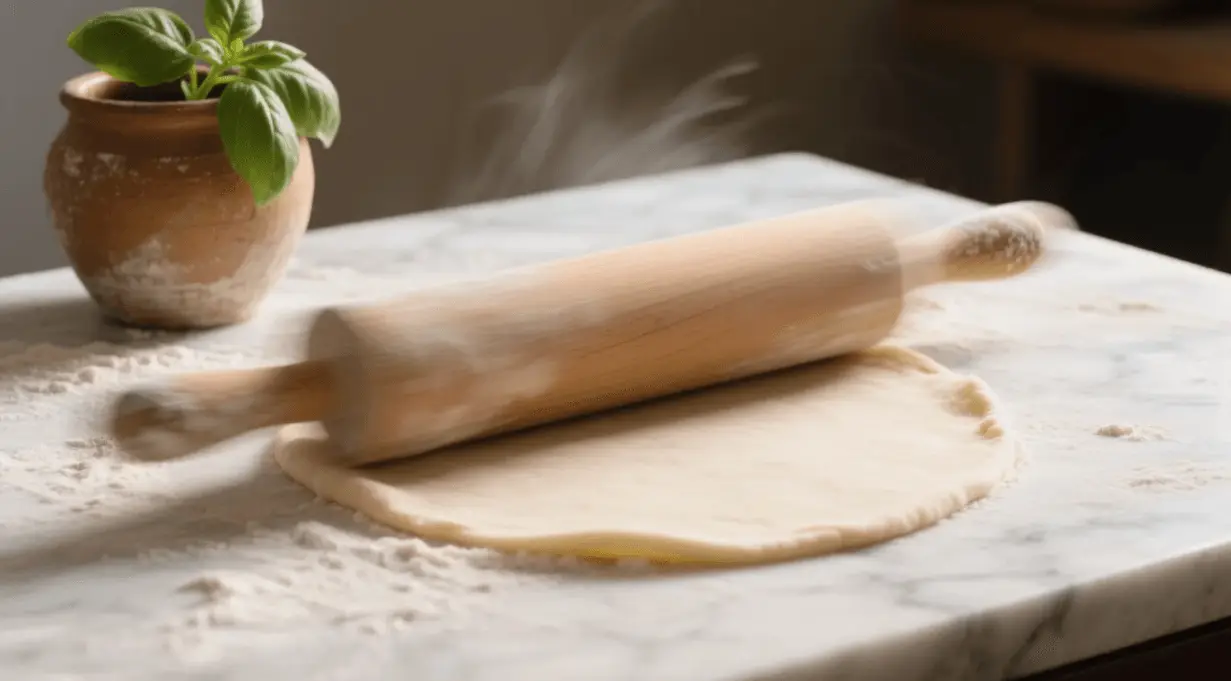
Divide the dough into 8 equal portions. Roll each ball between your palms until perfectly smooth. Dust lightly with flour and roll into a 6-inch circle using even pressure. Pro tip: Rotate the roti 45 degrees after each roll to maintain an even thickness. Industry data from Statista shows that consistent thickness is the #1 factor in achieving professional-quality chapatis.
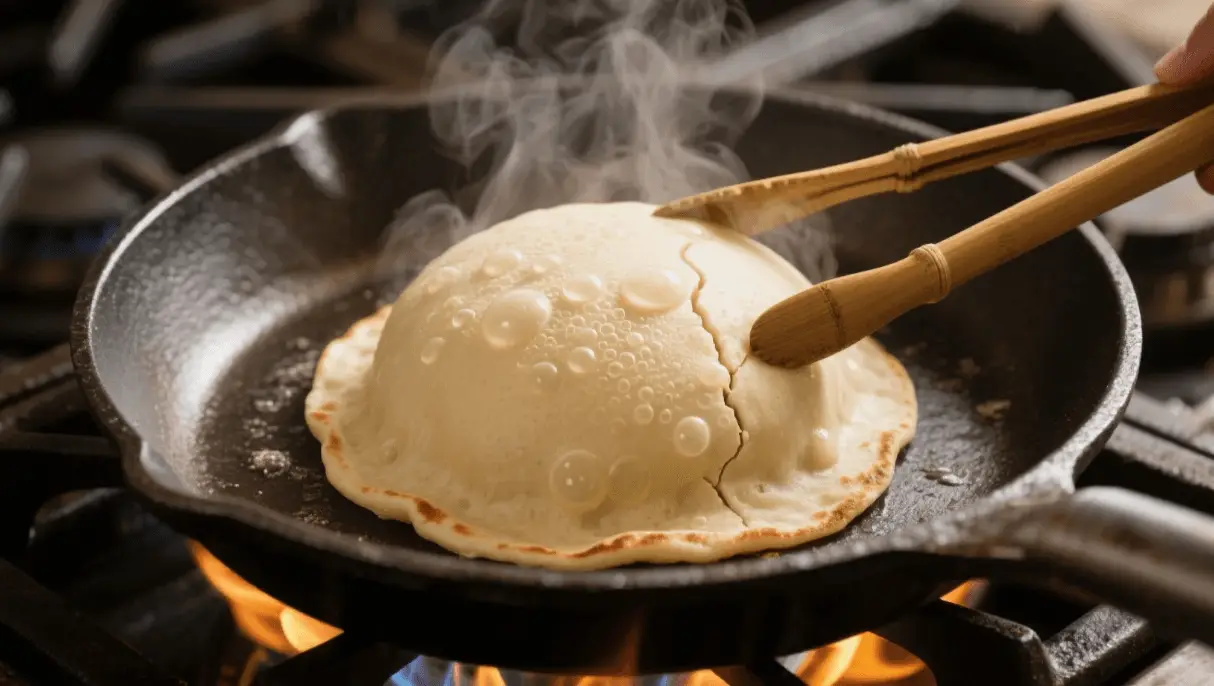
Heat a tawa or cast-iron skillet over medium-high heat. Place the rolled roti on the dry surface. When bubbles begin to form (after about 30 seconds), flip it. Cook the second side for 15 seconds, then use tongs to transfer the roti directly to the flame - it should puff up dramatically. This "phulka" technique separates good roti from great roti.
Even experienced home cooks encounter challenges when making chapatis. Here are solutions to frequent issues:
While roti is delicious plain, you can elevate it with these serving ideas:
According to a survey by Asia Food Network, 68% of home cooks experiment with roti variations after mastering the basic recipe. The possibilities are endless!
Commercial rotis often contain preservatives and lack the characteristic chew of fresh-made chapatis. Nutrition data shows that homemade versions retain:
Plus, the sensory experience of warm roti straight from the flame is unmatched. As food historian Dr. Priya Mehta notes in her book "Bread of India," the ritual of daily roti-making represents one of South Asia's most enduring culinary traditions.
Remember, every family has their own roti-making secrets passed through generations. Use this method as your foundation, then develop your personal touch. Happy cooking!
Disclaimer: This article provides general information only. Individual results may vary based on ingredients, equipment, and technique. Always follow proper food safety guidelines when preparing meals. Nutritional data is based on average values and may differ by specific brands or preparation methods.
Addy
|
2025.04.29