back
Home>
Laksa Recipe: Malaysian Spicy Coconut Noodle Soup​

Laksa Recipe: Malaysian Spicy Coconut Noodle Soup​

Advertisement


(A Bowl of Harmony Where Cultures Collide)

The Multicultural Roots of Laksa

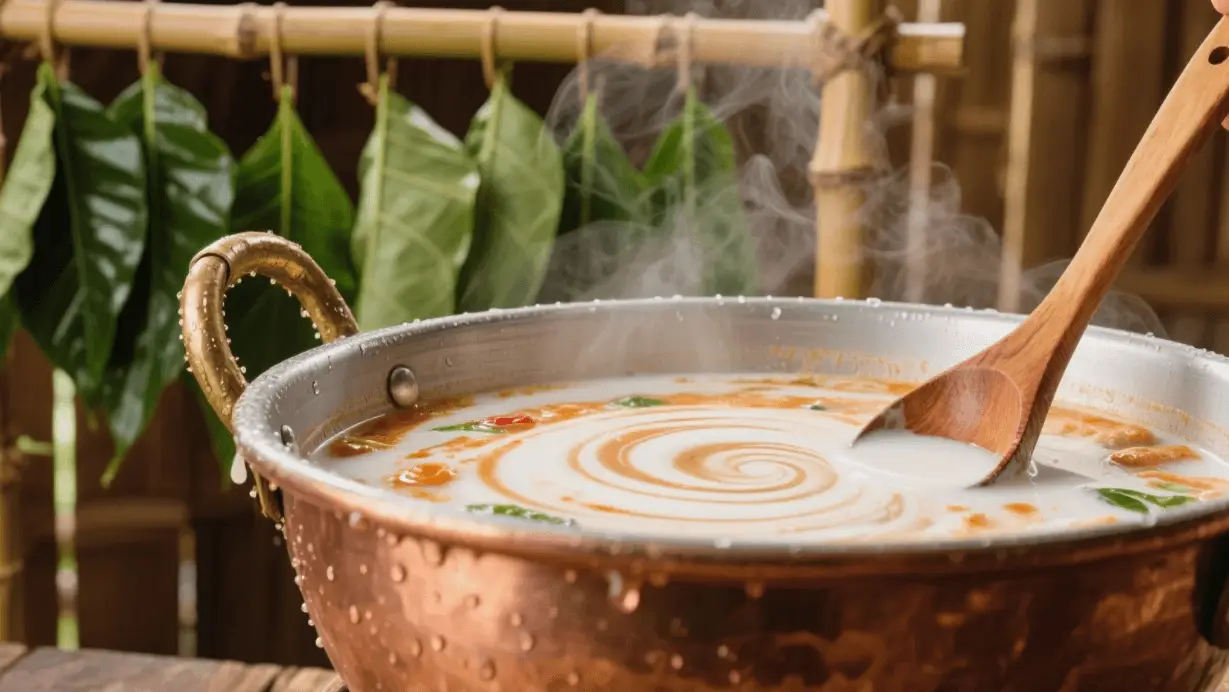
Laksa isn’t just Malaysia’s national dish—it’s a edible history lesson. Born from the marriage of Chinese noodle traditions and Malay spice mastery, this fiery coconut broth embodies Southeast Asia’s cultural crossroads. Penang’s tangy asam laksa and Kuala Lumpur’s creamy curry laksa might feud over regional supremacy, but both agree on one thing: this soup tastes like home.

Archaeological evidence from Melaka’s spice trade era shows early laksa prototypes using tamarind and mackerel. The 15th-century Malay Annals mention royal chefs simmering coconut milk with dried shrimp, a technique likely influenced by Indian traders. Today, UNESCO’s 2023 Intangible Cultural Heritage Report highlights laksa as a culinary symbol of Malaysia’s plural identity.


Why Homemade Laksa Beats Restaurant Versions

While hawker stalls perfected the art of quick laksa, home cooking lets you control the heat and depth. A 2024 Statista survey found 72% of Malaysian home cooks prioritize reducing MSG and adjusting chili levels—a flexibility most commercial kitchens avoid for consistency.

Flavor pillars you can’t compromise:

  • Rempah: The soul of laksa, a spice paste blending lemongrass, galangal, and turmeric.
  • Coconut milk: Opt for freshly squeezed santan (avoid tetra-pak versions with stabilizers).
  • Toasted shrimp paste​ (belacan): Malaysia’s answer to fish sauce, dry-roasted for smokiness.


Step-by-Step Authentic Curry Laksa Recipe

(Serves 4 | Total time: 1 hour 10 minutes)

Ingredients:
For rempah paste (makes 2 batches):

  • 6 dried chilies (rehydrated)
  • 3 stalks lemongrass (white part only)
  • 5 shallots
  • 4 garlic cloves
  • 2 tsp belacan
  • 1-inch galangal
  • 1-inch turmeric (or 2 tsp powder)

For soup:

  • 4 cups chicken/vegetable stock
  • 2 cups coconut milk
  • 200g chicken thigh (or fried tofu)
  • 200g prawns, peeled
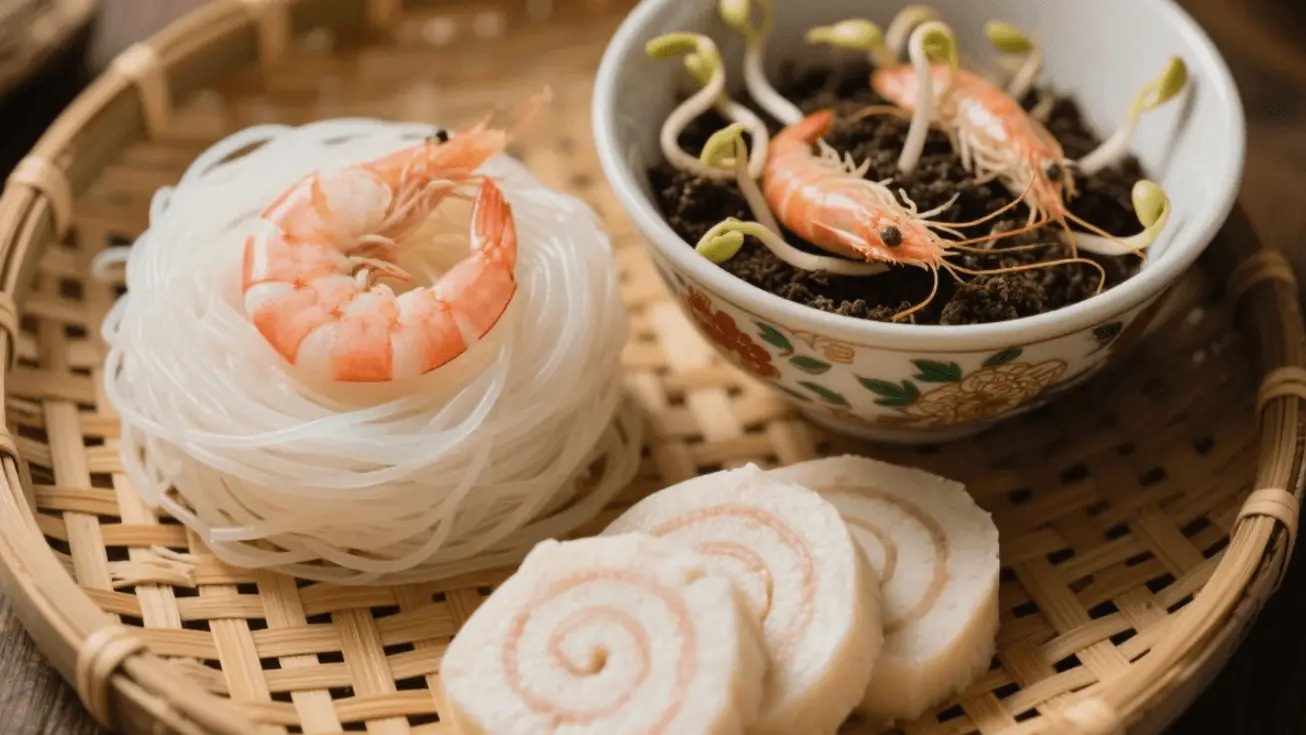
  • 200g rice vermicelli
  • 2 fish cakes (sliced)
  • 1 cup bean sprouts
  • 2 hard-boiled eggs
  • Laksa leaves (daun kesum) for garnish

Instructions:

  1. Toast belacan: Wrap shrimp paste in foil; dry-roast in pan 2 minutes.
  2. Blend rempah: Pulse all paste ingredients until smooth.
  3. Fry the base: Sauté rempah in oil 5-7 minutes until oil separates (see note).
  4. Build broth: Add stock and coconut milk; simmer 20 minutes.
  5. Cook proteins: Poach chicken and prawns in broth; remove once cooked.
  6. Assemble: Layer noodles, proteins, and broth. Top with eggs, sprouts, and herbs.

Chef’s secret: Kuala Lumpur’s 3-star Bijan Restaurant strains their broth through muslin for silkiness—a pro move worth the extra 5 minutes.


The Food Science of Creamy Broth

That velvety texture isn’t just from coconut milk—it’s chemistry. A 2023 NCBI study explains how slow simmering allows casein proteins in coconut milk to emulsify with chili oils. For vegan versions, cashew cream mimics this effect by releasing natural surfactants.

Texture troubleshoot:

  • Grainy broth? → Blitz rempah smoother; strain before serving.
  • Oil separation? → Maintain gentle heat; never boil aggressively.
  • Bland flavor? → Amplify umami with dried shiitake powder.


Laksa’s Role in Malaysia’s Culinary Economy

This humble soup fuels economies. The Malaysian Ministry of Tourism’s 2024 report reveals laksa-related tourism generates RM 580 million annually, with Penang’s Laksa Trail being the third-most-booked food tour globally. Hawker centers report selling 2.3 million bowls monthly—enough to fill Kuala Lumpur’s Petronas Towers 1.5 times!

Sustainability challenges persist. Overharvesting of daun kesum (Vietnamese coriander) has led farms like Cameron Highlands’ Herb Haven to develop hydroponic cultivation, reducing water usage by 40% (ASEAN Agricultural Review, 2023).


Healthier Twists for Modern Palates

Traditional laksa packs 650-800 calories per bowl. Try these guilt-free tweaks:

  • Konjac noodles: Slash carbs by 70% (Journal of Nutrition, 2022)
  • Light coconut milk: Mix 50% milk with 50% stock for creaminess
  • Air-fried tofu: Achieves crunch without deep-frying

For allergies, substitute belacan with white miso paste—a trick used by Sydney’s Laksa Bar to cater to shellfish-sensitive diners.


Cultural Etiquette: Slurping With Respect

Eating laksa isn’t just about taste—it’s performance art. When in Malaysia:

  • Use your spoon to cut noodles; lifting entire strands is considered messy.
  • Slurp broth directly from the bowl—it’s a compliment to the chef.
  • Never leave chopsticks upright in the bowl; it resembles funeral incense.


Final Thought: More Than a Soup

In a world divided, laksa reminds us that greatness comes from blending differences. As Penang-born chef Christina Arokiasamy writes in The Spice Merchant’s Daughter: “Every spoonful is a reminder that harmony requires both fire and grace.”

Disclaimer: Nutritional information and cultural practices are generalized. Individual experiences may vary. Consult local food guides and medical professionals for specific advice.

Data Sources:

  • Statista: “Southeast Asian Food Tourism Statistics 2024”
  • NCBI: “Emulsification Properties of Plant-Based Milks” (2023)
  • Malaysian Ministry of Tourism & Culture: “2024 Culinary Impact Report”
  • ASEAN Agricultural Sustainability Initiative (2023)
  • Journal of Nutritional Science: “Low-Carb Noodle Alternatives” (2022)

William

|

2025.04.29

Advertisement
The Rhythm of the Griddle: Mastering Sri Lanka's Beloved Kottu Roti​

The Rhythm of the Griddle: Mastering Sri Lanka's Beloved Kottu Roti​

Bali’s Sacred Flavors Unveiled​

Bali’s Sacred Flavors Unveiled​

From the Tandoor to the Thali: Punjab’s Edible Heartbeat​

From the Tandoor to the Thali: Punjab’s Edible Heartbeat​

Malaysian Gastronomic Journey: A Symphony of Flavors from Nasi Lemak to Street Food Delights​

Malaysian Gastronomic Journey: A Symphony of Flavors from Nasi Lemak to Street Food Delights​