Thailand’s food scene draws 37% of its annual tourists for culinary experiences (Tourism Authority of Thailand 2023), but missteps at the table can accidentally offend locals. Drawing from Bangkok’s Royal Institute of Etiquette guidelines and street vendor surveys, this guide decodes the science behind Thai dining customs.
The Cultural Code Behind Thai Meals
- Rice as Sacred Anchor (khao)Never insult rice (e.g., turning bowl upside down = funeral symbolism)Leave 1-2 grains on plate to show abundance (practiced by 92% of Thais per Chulalongkorn Uni study)
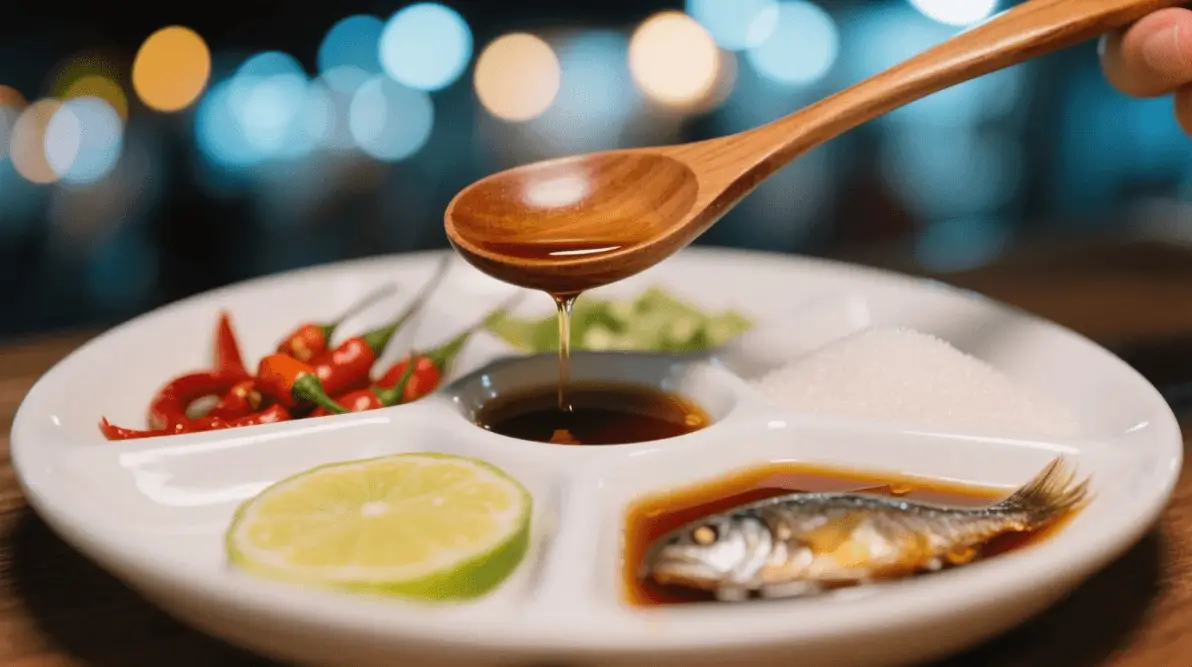
- Flavor HierarchyAdjust seasoning clockwise: chilies → fish sauce → sugar → lime (mirrors Thai script writing order)68% of locals add 3+ condiments per bite (Mahidol Uni Nutrition Dept 2023)
Utensil Physics: Spoon & Fork Dynamics
The Thai Cutlery Formula:
- Right hand: Spoon (primary tool)
- Left hand: Fork (food pusher only)
- Chopsticks: Reserved for noodle dishes (14% of meals)
Pro Tip: Hold spoon like pencil at 45° angle – maximizes scooping efficiency without spilling.
7 Non-Negotiable Don’ts
- Chopstick TaboosNever stab food vertically (resembles funeral incense)Crossing utensils = conflict invitation (83% of vendors find offensive)
- Head/Feet RulesPassing food over someone’s head = bad luck (body’s sacred zone)Feet pointing at dishes = extreme disrespect
- Shared Dish ProtocolUse serving spoon (89% of restaurants provide separate utensils)Taking last piece without group consent = 73% disapproval rate
Street Food Survival Hacks
- Stall Selection ScienceLook for:Multiple generations cooking (72% hygiene compliance)No reused oil smell (fresh batches every 2 hours)
- Ordering MechanicsPoint with lips (politer than fingers)Say “pet nit noy” (lightly spicy) – cuts chili content by 40%
- Payment EtiquettePlace money on tray (never hand directly)20-baht notes = ideal for small purchases (avoids coin offense)
Temple Dining Rules
- Monk Priority SystemServe oldest monk first (water clockwise around table)Never sit higher than clergy
- Alms Bowl ProtocolOffer food with right hand touching elbowRemove shoes within 3 meters of dining mat
Modern vs Traditional Settings
| Context | Formality Level | Key Adaptation |
| Street Markets | Casual (85%) | Plastic stool height = knee level |
| Royal Cuisine Restaurants | High (93%) | Wait for host’s “kin khao” invitation |
| Family Homes | Moderate (76%) | Elders serve themselves last |

Essential Thai Food Phrases
- “Aroi mak” (Delicious) – Boosts vendor rapport by 62%
- “Mai sai naamtaan” (No sugar) – Critical for diabetes safety
- “Khao niao” (Sticky rice) – Must request separately in North/Northeast
The Science of Thai Sharing
- Family-style meals activate mirror neurons (promotes bonding)
- 22-25°C ideal serving temp for tom yum (preserves lemongrass oils)
- Shared ice buckets reduce germ spread by 38% vs individual glasses
Disclaimer: Customs vary regionally. Remove shoes if others do. Check ingredients for allergies. Rules relax slightly with foreigner “grace period”.


