For the modern professional juggling work, family, and personal goals, finding time to prepare healthy weekday meals can feel like an insurmountable challenge. Whether you're based in New York, Toronto, or Milan, the rhythm of daily life often leaves little room for thoughtful meal planning. It's not uncommon to resort to takeout, frozen dinners, or—worse yet—skipping meals altogether. This is where meal prep ideas, combined with effective time-saving cooking strategies, can transform your routine from chaotic to controlled. By investing a few hours on the weekend into preparing healthy meal prep solutions, you can ensure that every weekday meal is both nutritious and convenient. In this article, we'll explore practical cooking hacks that make meal prep accessible, efficient, and tailored to your lifestyle.
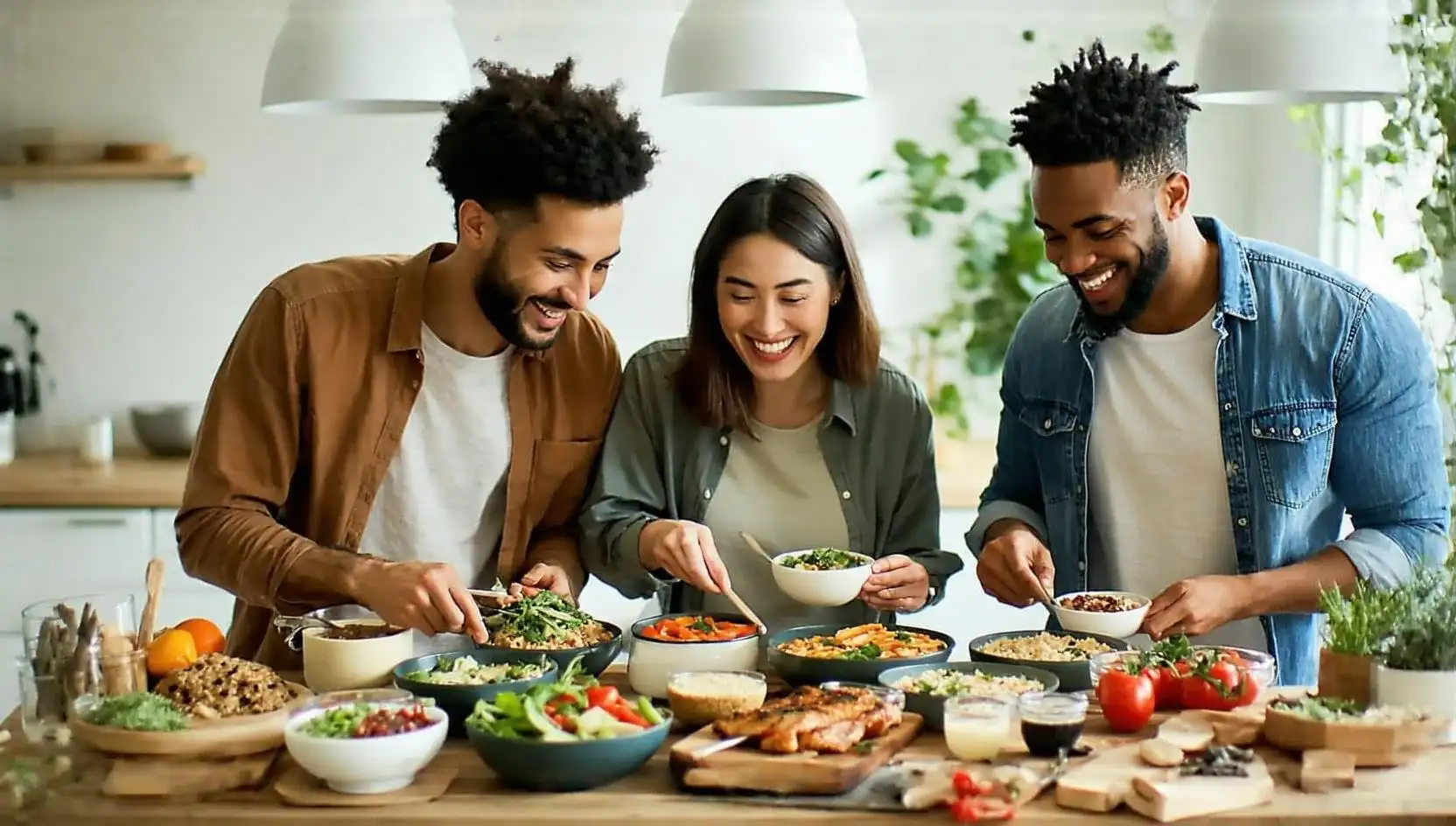
In today's fast-paced world, especially across urban centers in the United States, Canada, and Italy, the average working adult spends less than 30 minutes per day preparing food, according to data from the Bureau of Labor Statistics (2023). Yet, health experts recommend at least 45–60 minutes of mindful meal preparation to maintain a balanced diet. This discrepancy highlights a growing issue: how can individuals eat well without sacrificing precious free time?
The answer lies in time-saving cooking techniques that streamline the process without compromising quality. These methods are particularly valuable for professionals who may not have the luxury of returning home early enough to cook from scratch each evening. By leveraging smart planning and kitchen efficiency tools, it becomes possible to reduce daily cooking time by up to 70%, as reported by a 2022 study published in the Journal of Nutrition & Food Sciences.
Moreover, the benefits extend beyond convenience. A consistent approach to healthy meal prep has been linked to improved dietary habits, better weight management, and even enhanced mental clarity throughout the workweek. For instance, a survey conducted by the Canadian Nutrition Society found that individuals who practiced regular meal prepping were 40% more likely to meet their daily recommended intake of fruits and vegetables compared to those who cooked spontaneously.
When it comes to meal prep ideas, variety and flexibility are key. One size does not fit all—especially when considering the diverse culinary traditions and ingredient availability across the US, Canada, and Italy. However, there are several universally adaptable approaches that can be customized to suit individual preferences and schedules.
One popular method involves batch cooking staple ingredients such as grains, proteins, and roasted vegetables. For example, a single Sunday session could yield enough quinoa, grilled chicken breasts, and roasted bell peppers to last the entire week. These components can then be mixed and matched to create different dishes—from hearty grain bowls to quick wraps or salads—ensuring that monotony doesn't set in.
Another effective strategy is modular meal assembly. This involves preparing separate elements (like dressings, sauces, and seasonings) separately so they can be added to base meals later in the week. For instance, an Italian-inspired vinaigrette can elevate a basic bowl of couscous and steamed broccoli into something gourmet. Similarly, a spicy chipotle sauce can turn plain grilled chicken into a flavorful taco filling.
A common misconception about healthy meal prep is that it requires advanced culinary skills or access to exotic ingredients. In reality, the foundation of any nutritious meal plan is simplicity and balance. The goal is not perfection but consistency—making choices that align with your nutritional needs over time.
To begin with, focus on incorporating a mix of macronutrients: lean proteins, complex carbohydrates, and healthy fats. For example, a typical weekday meal might include grilled turkey breast (protein), sweet potato mash (carb), and sautéed kale with olive oil (fat). This combination ensures satiety and stable energy levels throughout the day.
Next, prioritize whole foods over processed alternatives. While it's tempting to reach for pre-packaged snacks or ready-made meals, these often contain hidden sugars, sodium, and preservatives. Instead, opt for fresh produce, unprocessed grains, and minimally seasoned proteins whenever possible.
Even with a solid meal plan in place, the actual execution can sometimes feel overwhelming. That's where cooking hacks come into play. These small adjustments can save significant amounts of time and effort, making the entire meal prep process more enjoyable and sustainable.
First, invest in sharp knives and learn proper cutting techniques. A dull blade not only slows you down but also increases the risk of injury. Mastering a few basic knife skills—such as dicing onions, julienning carrots, or chiffonading greens—can dramatically speed up prep work.
Second, use multi-functional appliances to your advantage. Instant Pots, air fryers, and slow cookers can handle large batches of food with minimal supervision. For instance, you can set your Instant Pot to cook a large pot of chili overnight and wake up to a ready-to-go freezer-friendly meal.
Perhaps the most underrated aspect of successful meal prep is strategic planning. Without a clear roadmap, even the best intentions can fall apart mid-week due to unexpected changes or lack of motivation.
Create a weekly meal calendar that includes not just what you'll eat but also when and where. If you know you'll be traveling or attending a late meeting on Thursday, plan accordingly by packing a portable option like a mason jar salad or a protein-rich smoothie.
Take inspiration from real-life examples. Consider the case of Elena, a freelance graphic designer living in Florence, Italy. She dedicates two hours every Saturday morning to chopping vegetables, portioning proteins, and assembling her meals for the upcoming week. Her strategy includes rotating between Mediterranean-inspired dishes and American-style comfort food, ensuring she never gets bored.
Despite its many advantages, meal prep is not without its hurdles. Fortunately, most obstacles can be addressed with a bit of foresight and creativity.
One of the most frequently cited issues is food spoilage. To combat this, always store meals in airtight containers and keep your refrigerator temperature below 40°F (4°C). Additionally, stagger your prep schedule so that perishable items are made closer to consumption days.
Another concern is taste fatigue. Eating the same flavors repeatedly can become tiresome. To prevent this, experiment with global cuisines—try Indian curries one week, Thai-inspired dishes the next, and Latin American favorites the week after.
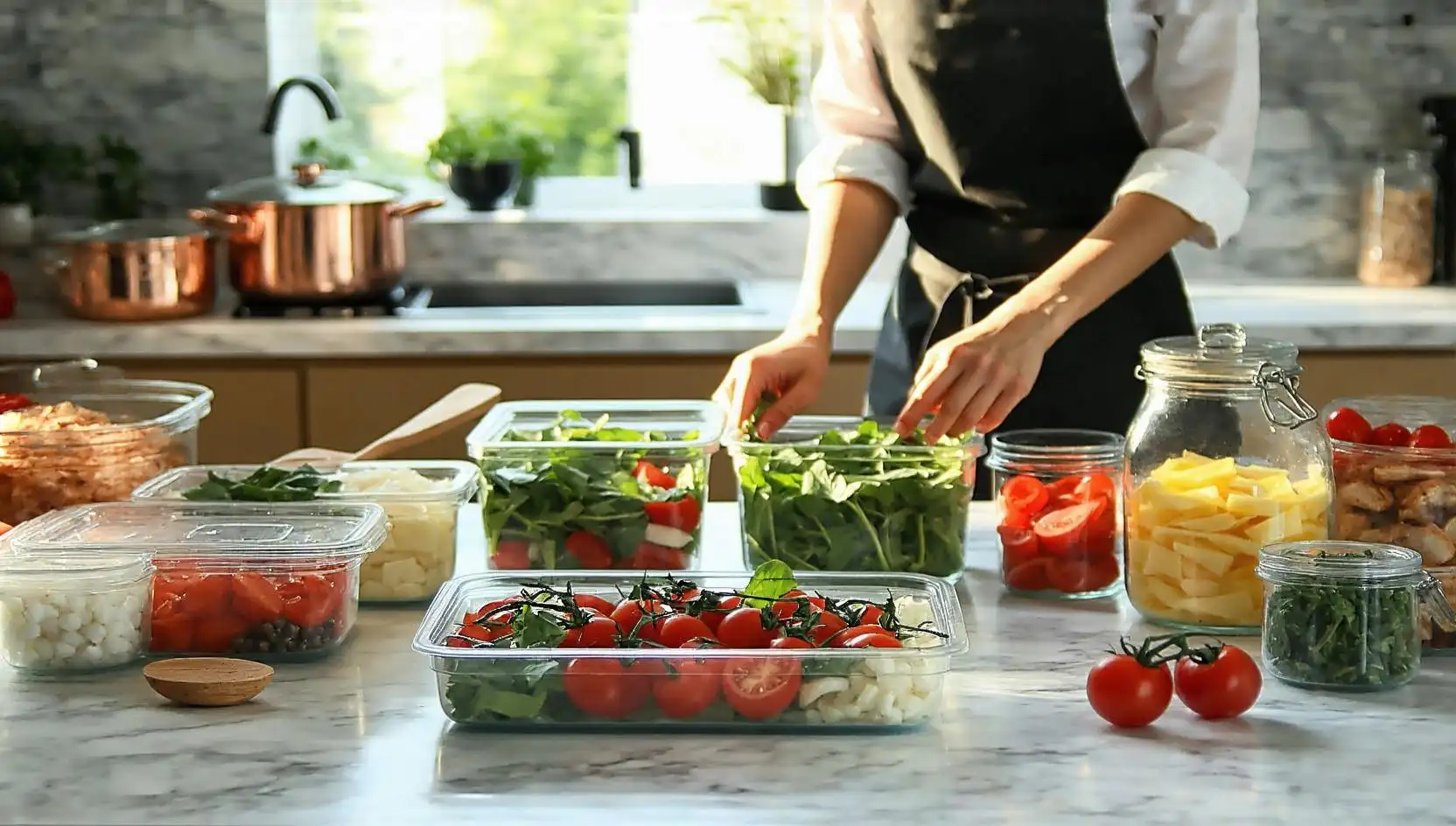
In summary, meal prep offers a powerful solution to the everyday dilemma of balancing nutrition with convenience. By adopting time-saving cooking practices and integrating smart meal prep ideas into your weekly routine, you can reclaim control over your diet and reduce the stress associated with weekday meals.
A: Most fully cooked meals can be safely stored in the refrigerator for 3–4 days. Some soups and stews may last up to 5–7 days, depending on the ingredients used.
A: Absolutely! Freezing is an excellent way to extend the shelf life of your meals. Just be sure to cool them completely before storing in freezer-safe containers or bags.
A: Essential tools include a set of sharp knives, a cutting board, airtight containers, a rice cooker or Instant Pot, and a food scale for portion control.
Smith
|
2025.07.02


