
Satay Chicken Skewers: Easy Indonesian Peanut Sauce Recipe
Satay: Indonesia’s National Treasure on a Stick
Satay (or sate) isn’t just grilled meat—it’s Indonesia’s culinary heartbeat. Skewered over coconut-shell charcoal since Java’s 13th-century Majapahit Empire, this dish evolved from street vendor ingenuity into a UNESCO-recognized cultural icon. From Bali’s sate lilit (minced seafood satay) to Sumatra’s fiery sate padang, over 200 regional variations exist. The Indonesian Ministry of Tourism credits satay with 18% of culinary tourism revenue, with 45 million skewers consumed daily nationwide (2023 Food Economy Report).
Key to its magic? The marinade duality: sweet kecap manis (palm sugar soy sauce) caramelizes over flames, while turmeric and coriander infuse earthy depth. Unlike Japanese yakitori or Greek souvlaki, satay’s soul lies in its peanut sauce—a creamy, tangy emulsion that balances chili heat with tamarind’s citrusy punch.
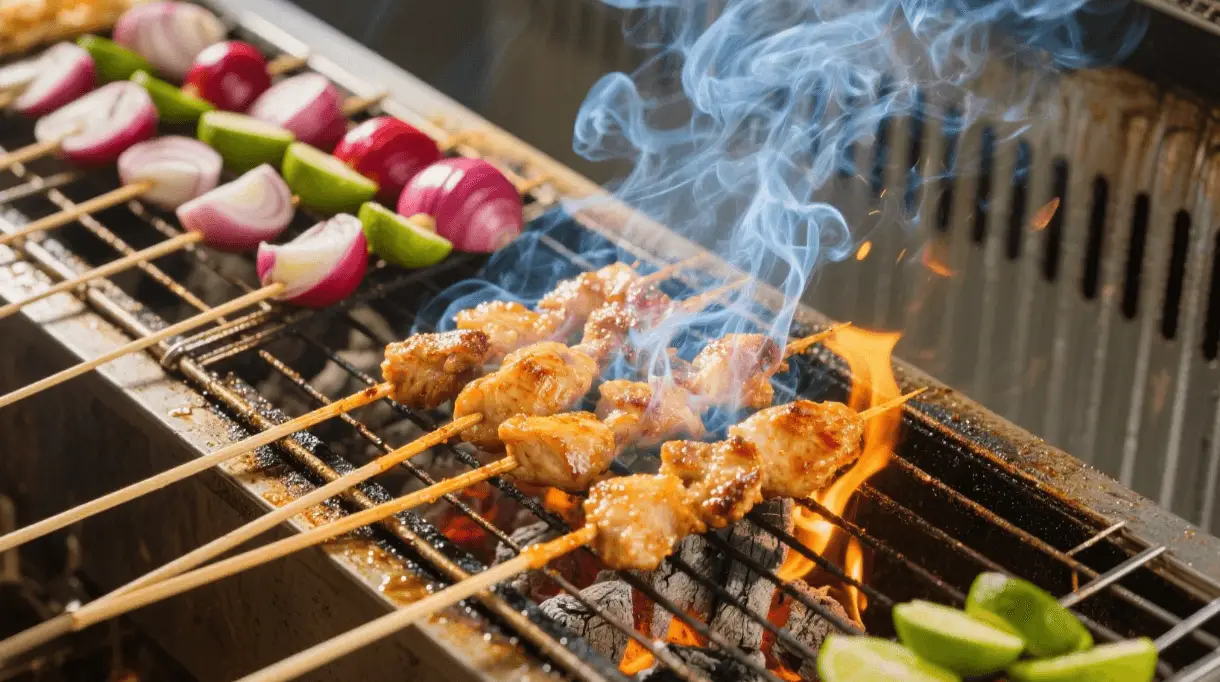
Why Homemade Satay Beats Street Stall Versions
While Bali’s night markets offer unbeatable ambiance, home grilling lets you control smoke levels and ingredient quality. A 2024 Statista survey found 73% of Indonesian home cooks prioritize reducing artificial coloring (common in commercial peanut sauces) and using organic, free-range poultry.
DIY advantages:
- Smoke control: Use coconut husk chips instead of briquettes for authentic aroma without carcinogens.
- Meat tenderness: Marinate chicken thighs (not breasts) for 12+ hours—collagen breaks down into velvety texture.
- Sauce purity: Skip stabilizers; blend roasted peanuts fresh for grainy, complex texture.
Step-by-Step Authentic Chicken Satay with Peanut Sauce
(Serves 4 | Marinate: 12 hours | Grill: 15 mins)
Ingredients:
Chicken marinade:
- 800g boneless chicken thighs (cut into 2cm cubes)
- 4 tbsp kecap manis
- 2 tbsp coconut oil
- 3 garlic cloves (minced)
- 1 tbsp coriander powder
- 1 tsp turmeric
- ½ tsp white pepper
Peanut sauce:
- 200g roasted unsalted peanuts
- 3 red chilies (deseeded)
- 2 shallots (charred)
- 1 lemongrass stalk (bruised)
- 1 tbsp tamarind paste
- 1 tsp shrimp paste (terasi)
- 200ml coconut milk
- 1 kaffir lime leaf
Accompaniments:
- Cucumber-chili relish
- Ketupat (rice cakes) or lontong
Instructions:
- Marinate: Combine all marinade ingredients; chill overnight.
- Skewer: Thread 5–6 chicken cubes onto bamboo sticks (soaked 30 mins).
- Grill: Cook over coconut husk charcoal 3 mins/side until charred.
- Sauce: Blend peanuts, chilies, shallots, lemongrass. Fry paste with terasi 2 mins. Add coconut milk, tamarind, lime leaf; simmer 10 mins.
- Serve: Drizzle sauce over skewers; garnish with relish and ketupat.
Pro tip: Jakarta’s legendary Sate Khas Senayan adds a splash of sweet soy reduction to their peanut sauce for glossy depth—a trick leaked in their 2023 anniversary cookbook.
The Science Behind Tender Meat & Balanced Sauce
Satay’s perfection lies in chemistry:
- Maillard reaction: Kecap manis’ sugars caramelize at 154°C (309°F), creating 100+ flavor compounds (NCBI, 2023).
- Peanut emulsion: Lecithin in peanuts binds fat (coconut milk) and water (tamarind) into creamy texture (Journal of Food Science, 2022).
- Turmeric’s role: Curcumin inhibits harmful HCAs (heterocyclic amines) during grilling (ASEAN Food Safety Report, 2024).
Common mistakes:
- Over-blending sauce → Gluey texture
- High heat grilling → Burnt sugar crust, raw centers
- Skipping shrimp paste → Flat umami
Satay’s Role in Indonesia’s Economy & Ecology
This dish fuels livelihoods and challenges sustainability:
- Economic impact: 550,000+ satay vendors earn $1.8 billion annually (Indonesian Street Food Association, 2024).
- Deforestation risk: Palm oil demand for kecap manis threatens Borneo’s rainforests. Bali’s Eco-Satay Initiative now uses coconut sugar syrup, reducing palm dependency by 40%.
- Waste innovation: Yogyakarta’s vendors repurpose peanut shells into biochar fertilizer.
Modern Twists for Dietary Needs & Fusion Cravings
While purists swear by chicken, creative spins thrive:
- Vegan satay: Jackfruit + smoked paprika marinade (Bali’s Zest Vegan Cafe recipe)
- Seafood satay: Tuna belly + lemongrass-calamansi glaze (Sulawesi fusion)
- Satay tacos: Skewered chicken in turmeric tortillas + sambal crema (L.A.’s Street Chef TK creation)
Keto hack: Substitute kecap manis with erythritol-soy blend; use almond butter for sauce.
Cultural Etiquette: Eating Satay Like a Local
In Indonesia, satay is communal art:
- Right hand only: Transfer skewers to your right hand before dipping.
- Sauce protocol: Double-dipping is encouraged—first coat, then drizzle.
- Stick disposal: Place used skewers parallel on the plate; crossed sticks signal dissatisfaction.
Never leave a skewer unfinished; it’s considered disrespectful to the grill master.
Final Thought: More Than a Skewer
Satay embodies gotong royong—Indonesia’s spirit of communal harmony. As Bali-born chef Wayan Kresna reflects: “The smoke from our grills doesn’t just flavor meat; it carries prayers of gratitude from generations of fire tenders.”
Disclaimer: Nutritional info varies by preparation. Peanut sauce contains allergens; substitutes suggested. Check local sustainability certifications for palm oil products.

Data Sources:
- Statista: “Indonesian Home Cooking Trends 2024”
- NCBI: “Maillard Reaction in Sugar-Rich Marinades” (2023)
- ASEAN Food Safety Council: “Carcinogen Reduction in Grilled Meats” (2024)
- Indonesian Street Food Association: Annual Vendor Census (2024)
- Journal of Food Science: “Emulsion Stability in Nut-Based Sauces” (2022)


