
The Secret to Perfect Pasta: Tips from Italian Grandmas You Need to Try
There are few dishes as universally loved—or as deceptively simple—as a plate of perfectly cooked pasta. Whether it's spaghetti aglio e olio or rich lasagna, pasta transports us to nonna's kitchen. What separates decent pasta from authentic Italian pasta? The answer lies in centuries-old techniques preserved by Italian grandmas mastering traditional cooking.
In this article, we explore pasta secrets passed through generations that transform meals into cultural celebrations. Discover Italian pasta tips that elevate home cooking, whether you're a seasoned chef or beginner. Learn how to bring authentic Italian cuisine into your kitchen.
The Foundation of Authentic Italian Pasta
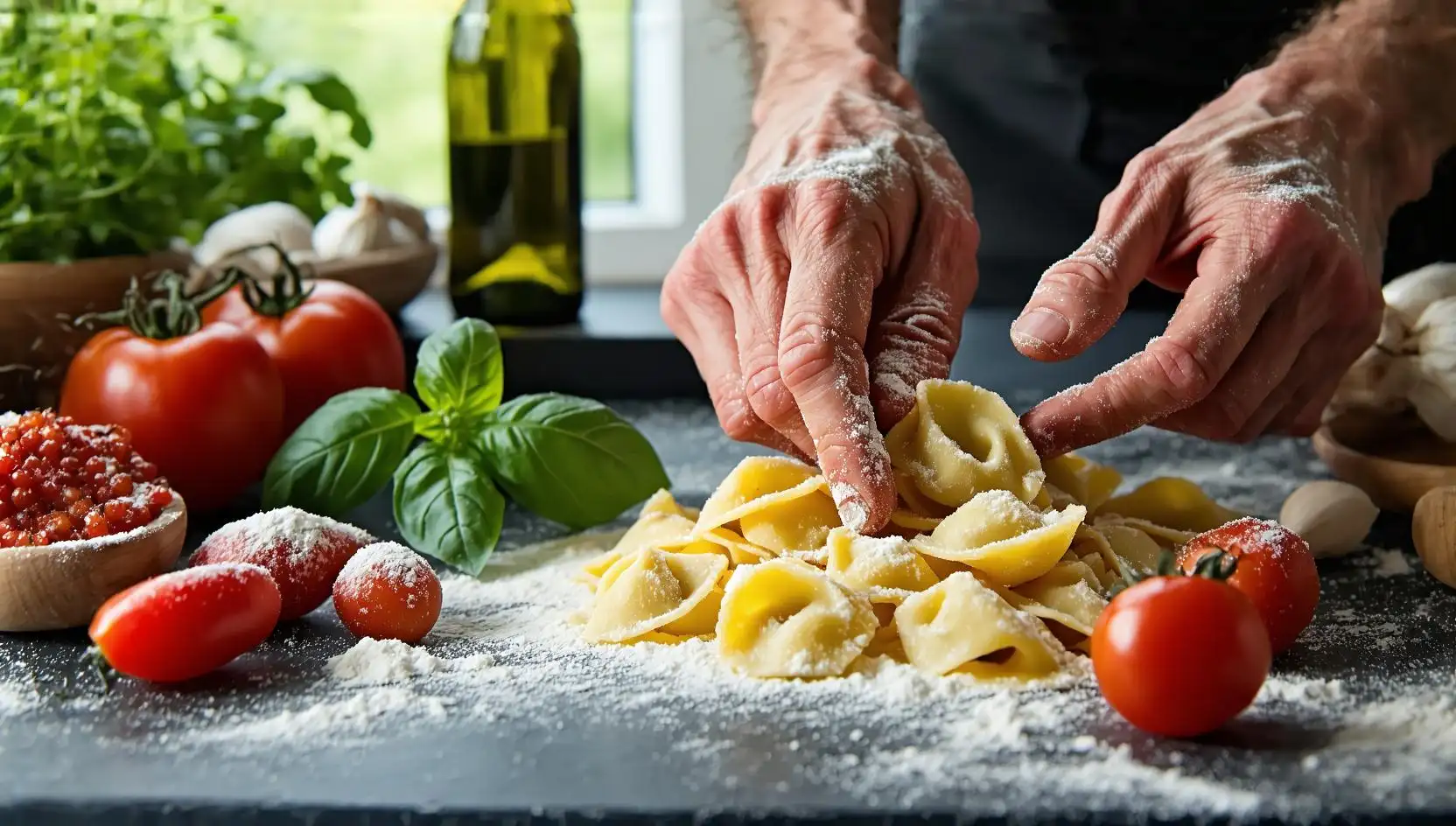
Authentic pasta is a culturalrtifact. For Italian nonnas, making pasta isn't just cooking—it's a ritual of history, pride and love. Hand-kneading dough, precise rolling and careful shaping demonstrate the value of traditional cooking in Italian households.
Unlike mass-produced noodles, real Italian pasta uses time-honored methods prioritizing quality. Many families follow handwritten recipes memorized through practice. The Slow Food Movement, born in Italy, champions local ingredients and artisanal techniques—values embedded in nonna's cooking.
Choosing Ingredients: The Italian Grandma Way
Italian pasta tips emphasize simplicity: fewer components mean each matters more. Nonna's select only the finest ingredients. Fresh egg pasta requires just flour and eggs—specifically "00" flour and farm-fresh yolks in northern regions. Southern Italy's semolina pasta uses just durum wheat and water.
Sauce ingredients must be seasonal and local. Classic marinara might contain only San Marzano tomatoes, extra virgin olive oil, garlic, basil and sea salt—each element top-quality. Cheeses like Parmigiano-Reggiano enhance without overwhelming. This balance defines authentic Italian cuisine.
Mastering Pasta Techniques Like Nonna
Italian grandmas trust hands, not gadgets. Knead dough until smooth, elastic and slightly firm—many nonnas knead 10+ minutes for proper gluten development. After resting, roll dough thin yet strong enough to hold shape. Experience determines perfect thickness for each pasta type.
Cutting is equally crucial. Tagliatelle needs precise strips; pappardelle broader ribbons; orecchiette hand-shaped "ears." Each cut serves unique texture and sauce absorption purposes. While pasta machines exist, many grandmas prefer manual methods—"Pasta made with love tastes better."
Cooking Secrets: Nonna's Boiling Method
Italian grandmas treat pasta cooking as alchemy and science. They know exact salt amounts, boiling times and draining moments—no timer needed. Contrary to myth, you don't need excessive salt—about 10g coarse sea salt per 1liter water per 100g pasta.
Water must be rapidly boiling—never lukewarm—to prevent sticking. Never add oil; it coats pasta and prevents sauce adhesion. Timing is nonna's true expertise. They test strands for al dente perfection—tender yet firm. Packaged pasta times are mere suggestions.
Perfect Sauce Pairings: Nonna's Wisdom
Matching sauce to shape is often overlooked. Italian grandmas know which pastas cradle heavy ragùs and which dance with light oils. Long flat noodles like tagliatelle suit creamy sauces; tubular shapes like penne hold chunky sauces. Handmade orecchiette grips pesto perfectly.
Stuffed pastas like ravioli pair with delicate butter sauces or broths. Understanding these principles creates balanced, authentic Italian dishes anywhere. Seasonal adjustments are key—nonnas modify sauces based on available ingredients.
Serving with Soul: Italian Family Traditions
For Italian grandmas, serving pasta nourishes connections. Every step carries emotional weight. Most nonnas toss pasta directly in sauce before serving—flavors meld seamlessly. Never let pasta sit too long in hot water.
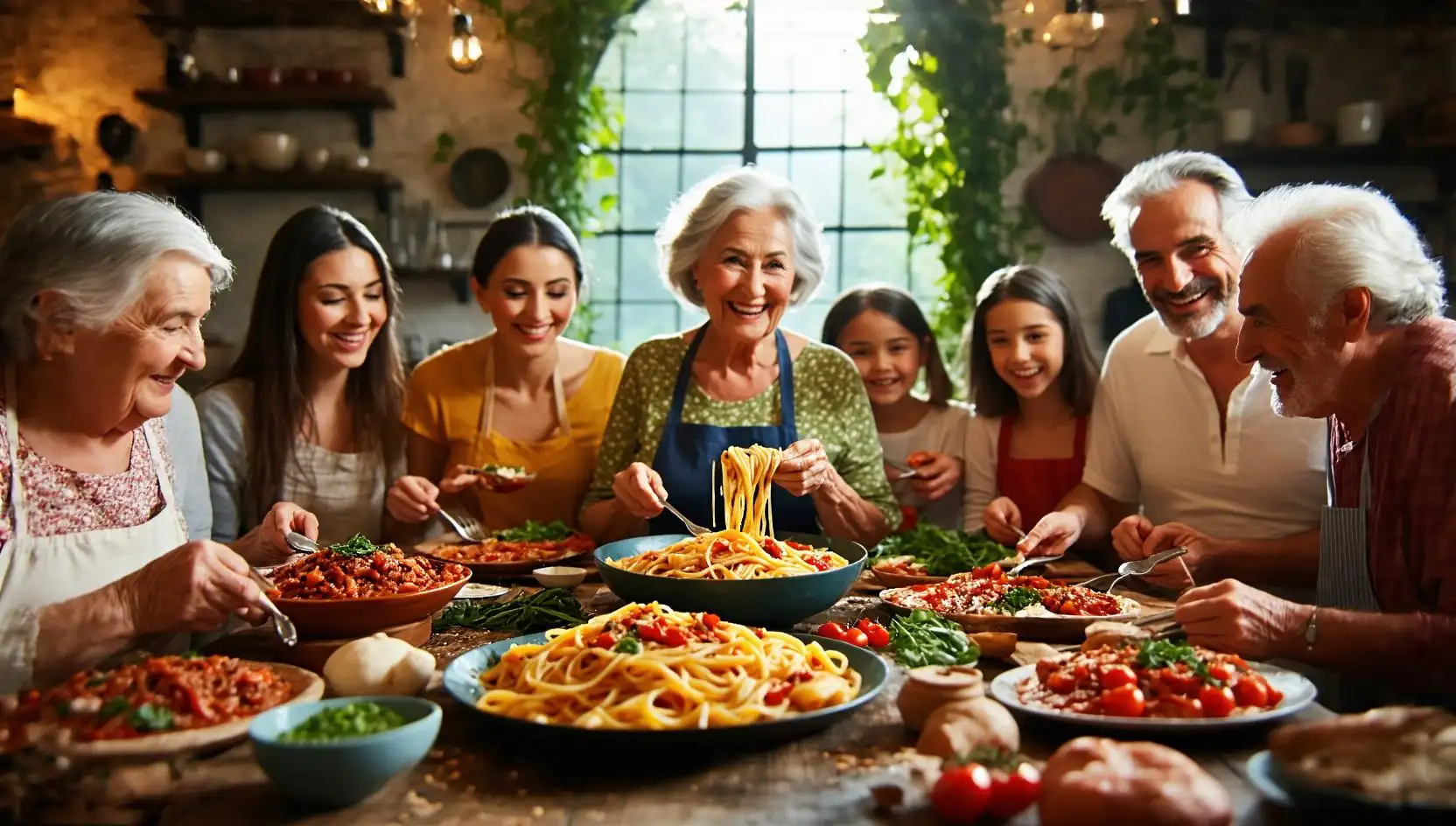
Presentation is rustic yet elegant: freshly grated Parmigiano-Reggiano, quality olive oil drizzle, basil sprigs. Family-style service remains standard—large communal bowls encourage conversation. This approach fosters belonging—food is meant for sharing.
Modern Adaptations of Traditional Pasta
While honoring tradition, Italian grandmas adapt recipes for modern needs. Gluten-free flours like rice or buckwheat work with adjustments. Plant-based eggs enable vegan fresh pasta. Creative herbs and spices add contemporary flair while respecting original recipes.
Many nonnas now advocate eco-conscious cooking—organic produce, reduced waste, supporting local farmers. These changes benefit both planet and plate quality. Blending old-world techniques with modern sensibilities keeps traditions alive.
Italian Pasta FAQ: Nonna's Advice
Q: Can I make authentic pasta without a pasta machine?
A: Absolutely! Many Italian grandmas still hand-roll and cut pasta. With practice, achieve restaurant-quality results using just a rolling pin and sharp knife.
Q: Are there gluten-free alternatives?
A: Yes. While traditional pasta contains gluten, alternatives include rice flour, cornmeal, and legume flours like chickpea or lentil.
Q: How to store homemade pasta?
A: Fresh pasta can dry on racks for two days or freeze longer. Refrigerated pasta should be consumed within 24 hours.
Q: Can I reheat leftover pasta?
A: Yes—add water or broth and warm gently in a pan to restore moisture and flavor.
Q: Where to find authentic ingredients abroad?
A: Seek specialty stores, online Italian markets, or farmer's markets carrying imported cheeses, olive oils and heirloom grains.
Embracing Nonna's Pasta Legacy
Perfect pasta isn't about rigid rules—it's understanding the craft's spirit. Italian pasta tips from grandmas concern intention, patience and love. When you knead, roll and cook properly, you participate in a living tradition.
Whether stirring ragù or slicing tagliatelle, remember every bite tells a story. Take time, savor the process, and let nonna's wisdom guide you to pasta perfection. As any Italian grandma would say: "La pazienza è la virtù dei forti." (Patience is the virtue of the strong.)


